
By Joe Puccio
At an age when many ordinary people have been retired for approximately 20 years, there are those individuals who simply refuse to even consider the thought. And while it’s true that show business breeds a different – or unordinary – type of person, even entertainers have their limits – most of the time.
Before passing away six years ago, Bill Withers (“Ain’t No Sunshine,” “Lean on Me,” “Just the Two of Us”) largely ceased performing and recording in the mid-1980s, before he even turned 50. Jefferson Airplane/Jefferson Starship frontwoman Grace Slick (“White Rabbit,” “Somebody to Love,” “We Built This City”), with a career that still managed to span four decades, traded in her microphone for a canvas, pivoting to visual arts in 1990. And revered vocalist Linda Ronstadt (“You’re No Good,” “Somewhere Out There,” “Don’t Know Much”) unfairly had the decision made for her, holding her final live concert in 2009, the result of a neurodegenerative disease.
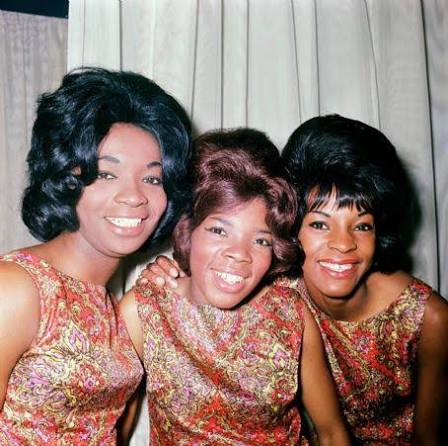
For Martha Reeves – the iconic voice of Motown power trio Martha and the Vandellas – age is just a number. “I’m going to sing until I die,” Reeves sang, literally, during a recent conversation with Generation X Wire. “I’m just glad that God has blessed me with this talent. And that, at the age of 85, I can still get people to listen to me and tell me that I’m on the right track. I’m still learning and teaching.”
Teaching is a particularly appropriate verb in this case. With Reeves’ first album in over twenty years, Searching, released digitally a few weeks ago to be followed by physical CD and vinyl versions in September, the songstress’ output has already managed to win rave reviews from both music insiders as well as the general listening public. The dance remix of the first single, “To Know You Is to Love You,” debuted at number 31 on the UK Music Week Commercial Pop Chart. If that isn’t impressive enough, the track steadily gained popularity, moving up ten spots to 21 the following week before eventually hitting its stride at 16, an amazing achievement for an artist whose influence continues to transcend generations.

“To be this age and to have a top 20 dance hit that teenagers are dancing to is fantastic,” enthused Reeves’ talented producer, Chris Roe. “Music Week is basically the new Billboard, especially when it comes to dance music. They’re the largest music tracker in Europe. The response has been incredible.”
Born in Eufaula, Alabama, Reeves is the third child and eldest daughter of 11 children. Still a baby when her family moved to Detroit, Michigan, her interest in singing can be traced back to her childhood. “My grandfather, Reverend Elijah Reeves, was a Methodist minister and my entire family have been singing in church all of our lives,” she explained. “That’s really how it all started for me and how it continues today.”
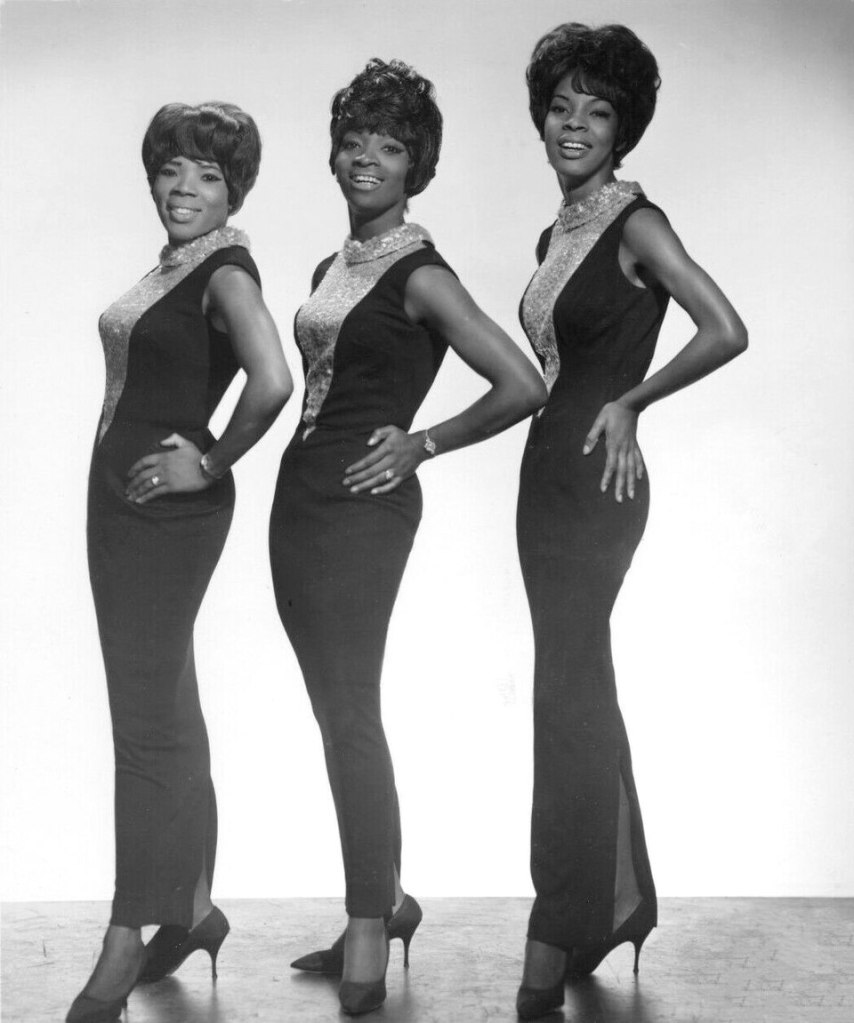
As Motown aficionados know, Reeves achieved her greatest fame as the lead vocalist of Martha and the Vandellas, one of the preeminent female groups of all time. With chart topping hits like “Heat Wave,” “Quicksand,” “Nowhere to Run,” and “Jimmy Mack” peppered throughout the 1960s, the trio, whose various lineups also included Rosalind Ashford, Annette Beard, Betty Kelly, and others, were inducted into the Rock & Roll Hall of Fame in 1995, becoming, at the time, only the second all-female act (after The Supremes) to obtain the high honor.
The unit’s signature number is undoubtedly the upbeat “Dancing in the Street,” the infectious anthem written by Marvin Gaye, William Stevenson, and Ivy Jo Hunter specifically for the group in 1964. Due to both its success and pure energetic vibe, the song has been covered by an eclectic array of names, from the Mamas & the Papas to Van Halen to the Kinks to the Grateful Dead. But one version, in particular, left a lasting impression on Reeves. “I was taken aback that Mick and David didn’t ask me to dance with them in the video,” she joked. “I could outdance both of them any day.”

Referring to the raucous 1985 duet by Mick Jagger and David Bowie that hit number one in the United Kingdom and number seven in the United States, the singer has nothing but fond memories of both her recording as well as that of the Rolling Stones’ frontman and Ziggy Stardust’s variant. “Mick and I were together recently at Ford Field, and it was such a delight to see him,” she grinned. “We always celebrated both of our success with it.”
Much like the music that Reeves brought to life over her historic career, Searching is an amalgamation of a variety of different genres. Blending soul, jazz, gospel, and the blues, standout tunes “I Got It Bad” flourishes in its R&B flair with a sprinkling of disco while the mercurial “Mood Indigo” slows the tempo down considerably, eliciting a sexy funk feel. Remarkably, the inclusion of both songs on the record were accidents, according to Roe. “We never intended to do them, but they wound up happening quickly and organically. Martha actually recorded “I Got It Bad” over 60 years ago but it was never released. Being the brilliant musician, she started singing it in the studio and she remembered every single word,” he gasped. “Mood Indigo” was the same thing. We needed one more song and we were leaning towards “Summertime” (Ella Fitzgerald / Louis Armstrong) but out of nowhere, Martha, like a drill sergeant, said she wanted to do “Mood Indigo.” Delfeayo (Marsalis, trombonist and co-producer) looked at me, winked, and the next day we recorded it.”
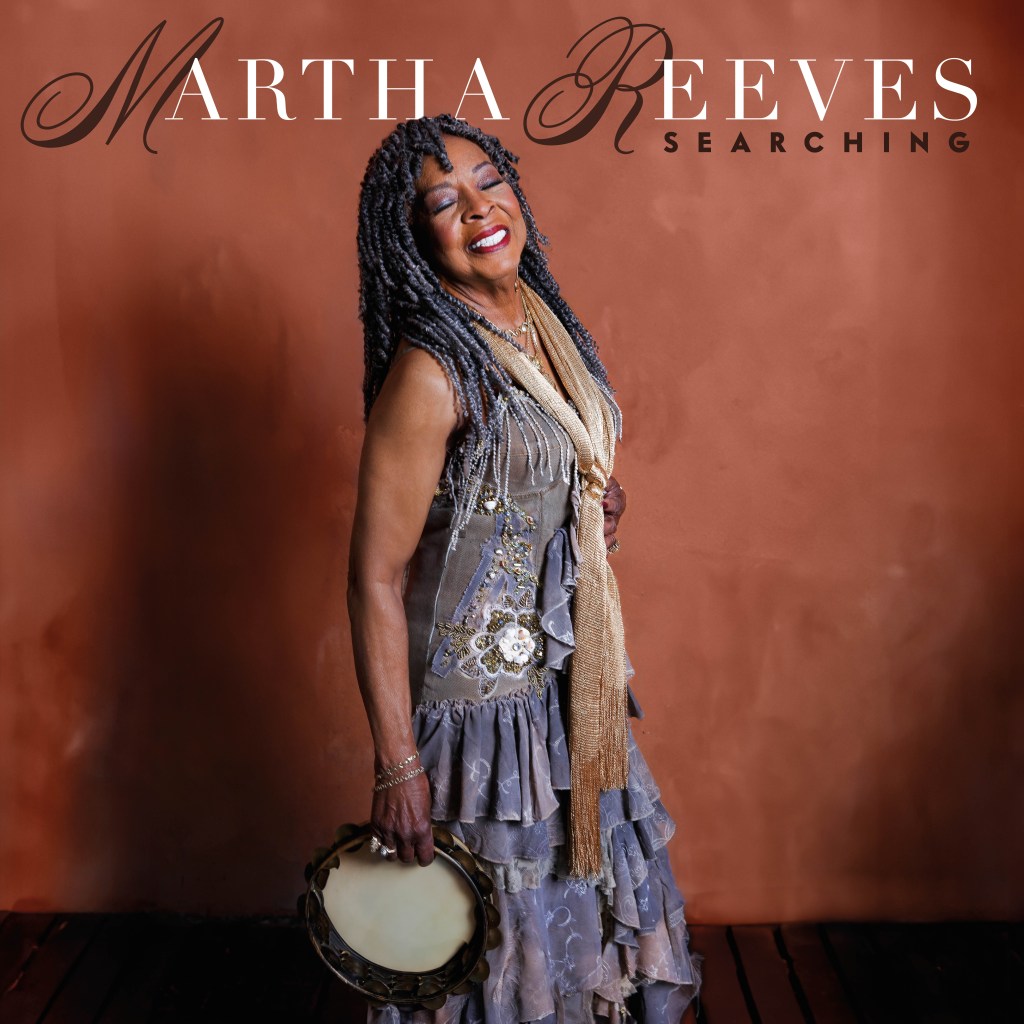
To the surprise of no one, Reeves doesn’t have any plans of slowing down, despite her inconceivable octogenarian status. “I’ve come a long way and I don’t take it for granted. Whatever the business calls for is what you do,” she admitted. “Searching is a combination of everything I’ve done and it’s a dream come true. I’m proud of it. It’s a good life and I wouldn’t trade it for anything.”

