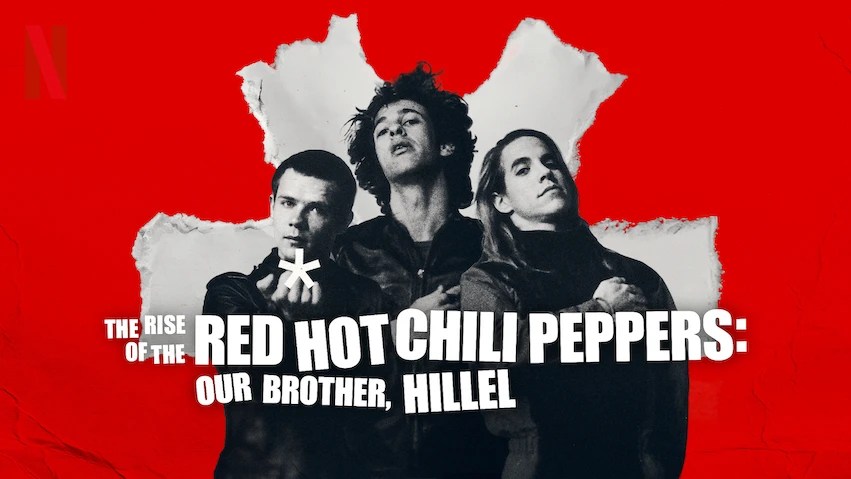
The Rise of the Red Hot Chili Peppers: Our Brother, Hillel
4 out of 5 stars
By J.C. Correa
If you are familiar with the Red Hot Chili Peppers without necessarily being a devoted fan, you may be unaware of the fact that acclaimed guitarist John Frusciante, who presided over the band’s earliest “it” moment – the Blood Sugar Sex Magik heyday of the early ‘90s – was not the group’s first axeman. If so, while you might have heard or read that lead singer Anthony Kiedis and bassist Flea were high school buddies who went on to form the funk rock sensation, perhaps you never knew that that initial nucleus was originally comprised of three individuals. The third man in question, and crucial piece of the puzzle to both the bonds of adolescence and the unit’s musical aspirations, was original guitarist Hillel Slovak.
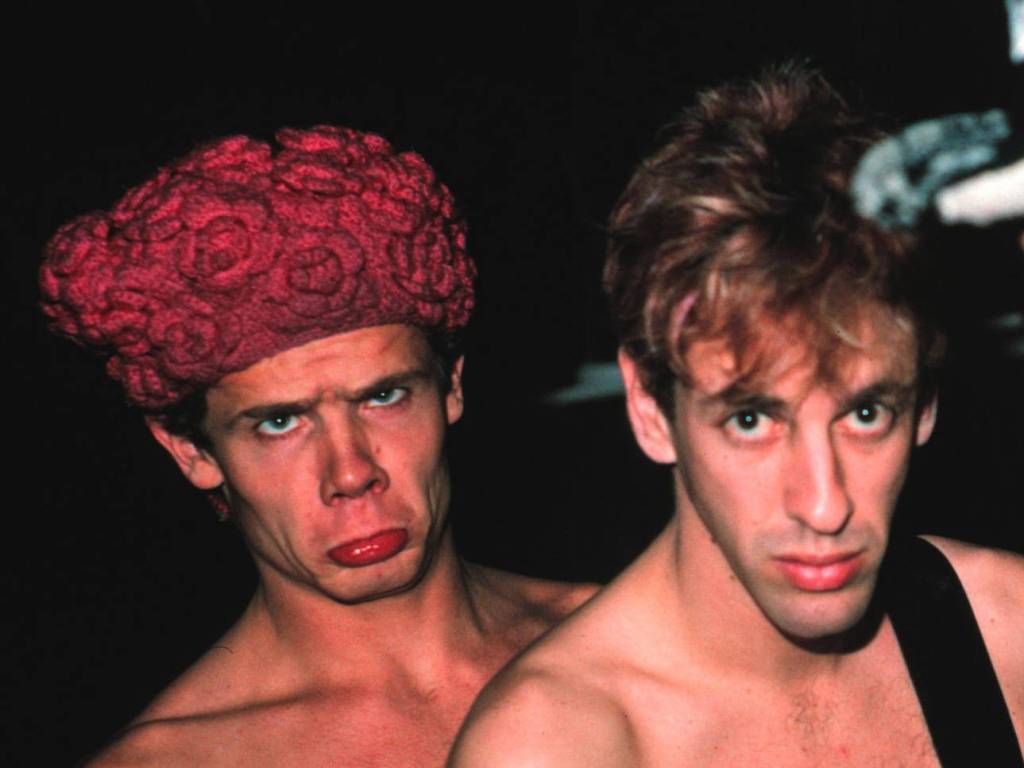
In the wholly engaging and terrific new Netflix documentary The Rise of the Red Hot Chili Peppers: Our Brother, Hillel, Slovak becomes the central figure of the narrative, and the larger story of the band’s origin is directly framed around his impact and contribution. Part of this, of course, is due to his untimely death from a drug overdose in 1988, and the movie goes to great lengths to portray what a mythic-like shadow he left behind for his friends and bandmates.
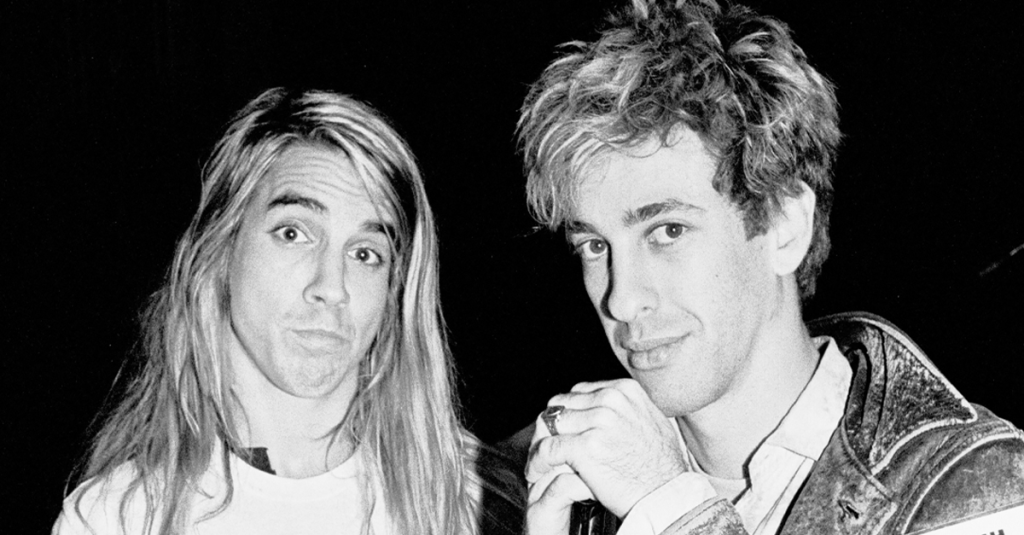
Speaking with candor and pointed nostalgia about their formative years in the early ‘80s, Flea, Kiedis, and original drummer Jack Irons, lovingly reminisce about how remarkable a presence Hillel was every single day they shared with him as a musical comrade, but even more so as a friend. Though Irons also attended Fairfax High School in Los Angeles with the other guys, he wasn’t tethered to the other three in the way that they all were to each other. Through a plethora of photographs from those early days, especially while in high school, Flea, Kiedis, and Slovak convey the image of an inseparable trio. Practically every picture has them clowning around for the camera (something that eventually went on to thoroughly embody the group’s spirit and sense of self), constantly glued together like Siamese triplets.
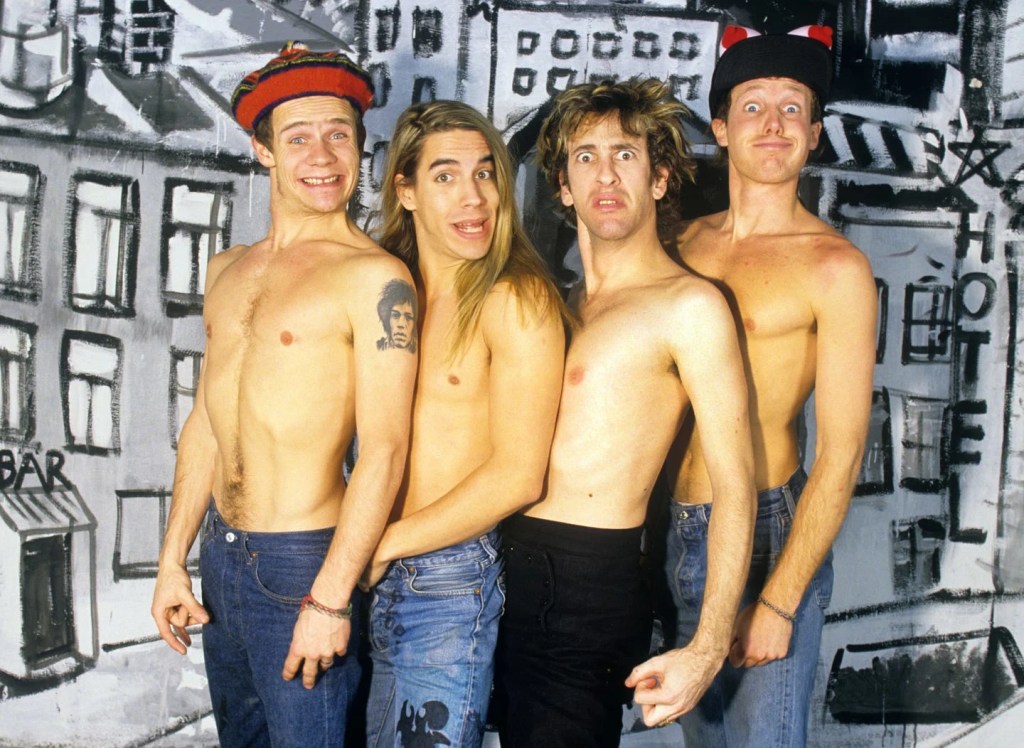
The love is evident – for the music, for their youth and friendship, for Hillel. Flea, in particular, gets very emotional on more than one occasion when recalling the strength of the ties that bound them together. And while the charismatic bass player candidly admits to indulging in much drug usage during that time, he speaks of the addiction that took his friend’s life with a palpable and poignant sense of regret. Kiedis, himself once a slave to the needle in as bad a way as Slovak for his own stretch of time, is emotionally less forthcoming, giving off the impression, instead, of someone who was lucky to just make it out alive, with perhaps an ounce or two of survivor’s guilt as a souvenir.
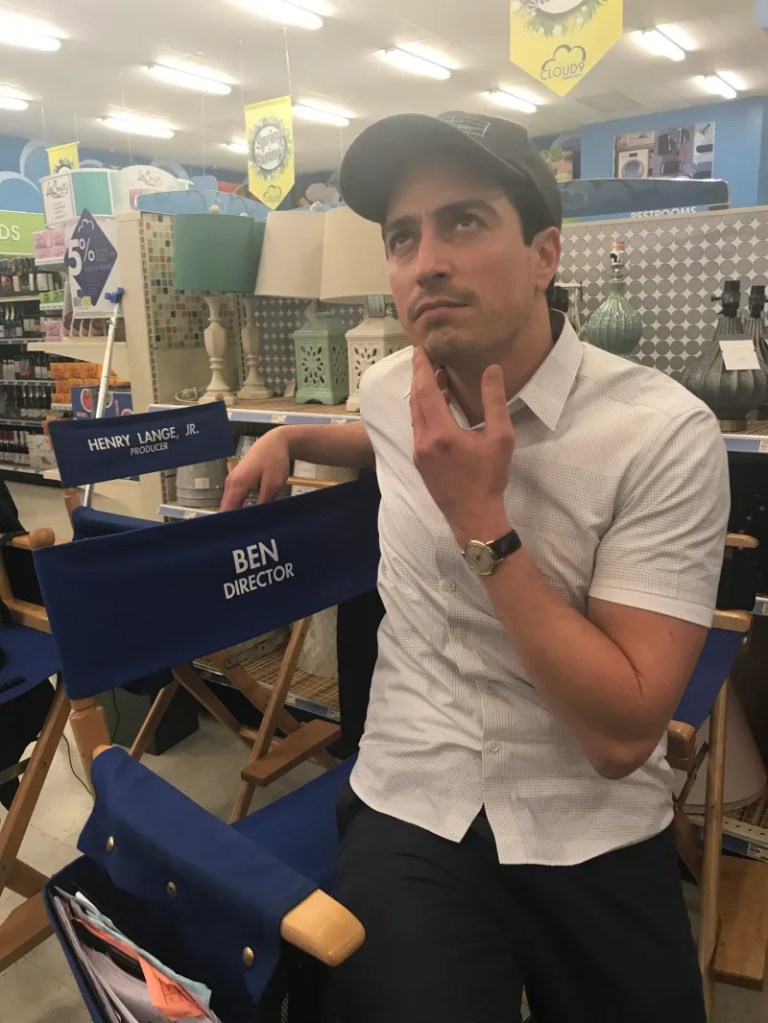
True to its title, the doc exclusively charts the quartet’s first decade, as they gradually gained traction throughout Los Angeles’ underground scene during the ‘80s. The fact that their brand of music was the furthest thing from mainstream at the time allowed them to enjoy their under-the-radar ascent with a devil-may-care attitude that was not worried in the slightest about what the camera might capture at any given moment. Director Ben Feldman joyfully explores the chaotic rush of being in a young group driven by a distinctively propulsive energy that would eventually make them a household name.
But it wasn’t all smooth sailing, to state the obvious, as the examples of self-sabotage were sadly too frequent, and recounted here with a cautionary sense of hindsight. Which, of course, brings everything back to Hillel. Feldman’s film is as much a chronicle of a specific era as it is a tribute to an essential player in this particular story. And though it does a more-than-competent job functioning as the former, it is in the latter capacity where the movie truly stakes its claim and adopts its proper identity. You start to feel the specter of Hillel around every corner, which in turn gives the film a great deal of gravitas. Its tragic, ominous subtext operates as a blistering counterpoint to a group of artists who intentionally made a name for themselves by trying to be anything but.
Due to the timeline in focus, Chad Smith, the Peppers’ longtime drummer and perennial fan favorite, is not even given a mention. That alone should serve as a proper clue as to what this project is all about. When Frusciante finally appears on camera, he talks about the daunting task of filling such a hallowed slot while finding his own footing. He also cheerfully confesses that after a frustrating period of trial and error, everything finally clicked for him once he settled on doing one specific thing: playing exactly like Hillel.
The Rise of the Red Hot Chili Peppers: Our Brother, Hillel is currently streaming on Netflix.

