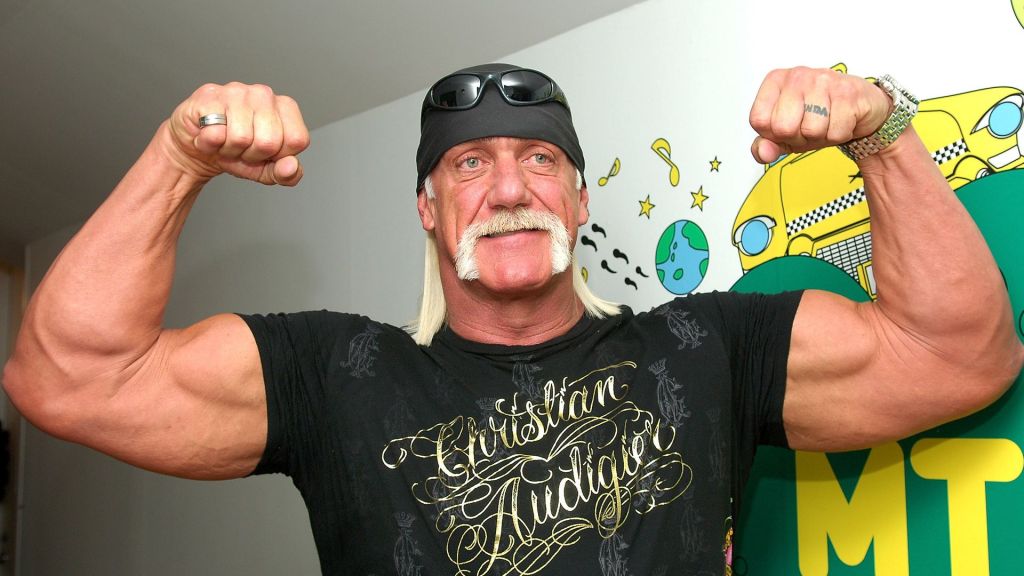
Hulk Hogan: Real American
3.5 out of 5 stars
By J.C. Correa
With his unexpected death last July at the age of 71, Hulk Hogan joins a peculiar list of people who passed away during the making of a documentary about them. In fact, none other than Michael Jackson suffered from that very fate during the filming of This Is It, a chronicle of the preparations for what were supposed to be his farewell performances in London. So, it is somehow fitting that Hogan, who is widely regarded as professional wrestling’s greatest luminary, should share that distinction with the self-proclaimed “King of Pop.”
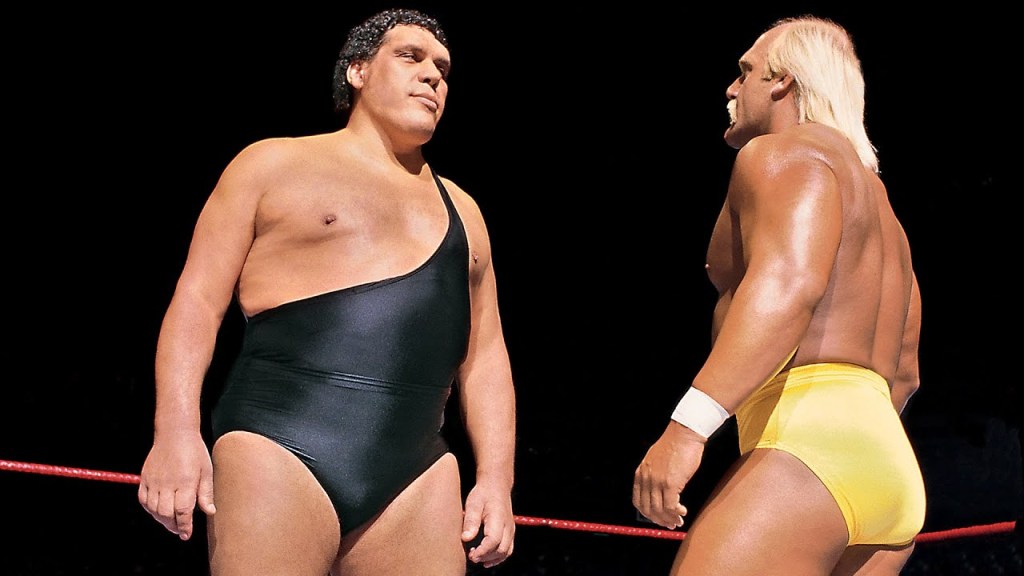
Hogan, born Terry Bollea, participated in an extensive interview just months before his death for the Netflix/WWE co-production Hulk Hogan: Real American. A scheduled follow-up never came to pass. The title is a direct reference to the Rick Derringer song that the wrestler used as his entrance music during his heyday in the ring, one that helped him transcend his industry and establish his mythic persona across practically all areas of popular culture. It also, however, serves as an inference to both the intentionally jingoistic character of Hogan, and Bollea’s very public endorsement of Donald Trump’s reelection campaign. But it’s not a fitting designation if you ask me, in part because the main through line of this four-part docuseries is actually the dichotomy between Bollea himself and the larger-than-life character he chose to play for so long, and how the lines between them often blurred to a frightening degree. In this regard, the last of the four episodes, entitled Hulk vs Terry, truly gets this cautionary tale right.
Across the first two installments, the program charts, respectively, Bollea’s childhood and introduction into the world of pro wrestling, as well as the mid-late ’80s period where the popularity of Hulk Hogan reached a fever pitch. Episode III is where the veil on the myth finally gets lifted, exposing the dark underbelly of his success through the abuse of anabolic steroids – which he blatantly tried to cover up for a long time – and his inability to pivot his fame into a successful film career. It also highlights his capacity to carve out an astounding second run on the mat that was arguably as popular as the first, by instead portraying the once-beloved hero as a sleazy thug; in other words, the exact opposite to what had originally made him an idol to children the world over.
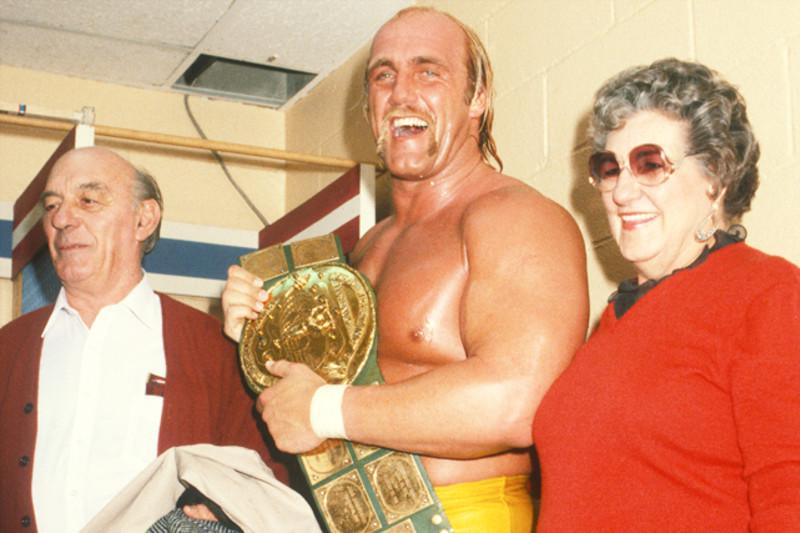
Because of how substantially Bollea abused his body, not only across the decades, but also well beyond the point where, by his own admission, he should have hung it up for good, coupled with various personal scandals that included a very bitter divorce, a sex tape gone public, and the uttering of racial slurs caught on camera, the final episode plays like the inevitable reckoning that the narrative has always been pointing towards. As such, it is easily the most compelling and dramatically interesting chapter; one that effectively balances high emotion with a level of tragedy, and even moments of genuine cringe. To cap it off, since Bollea’s story is told chronologically, it can only properly conclude at one place: his death. Watching various wrestling legends, many of whom are openly critical throughout the doc of Bollea and his many questionable actions, suddenly pause with hints of tears in their eyes as they ponder his legacy through his untimely demise, is not only deeply poignant but also the most fitting way to have it all end.
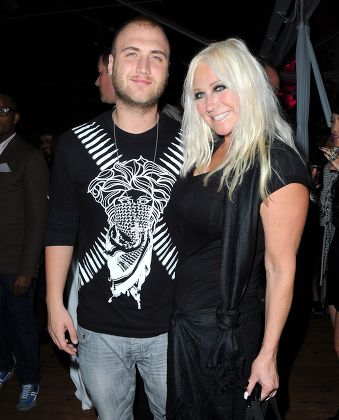
The aforementioned list of interview participants is extensive, and it includes wrestling personalities like Jimmy Hart, Jesse Ventura, Paul Levesque, Bruce Prichard, Cody Rhodes, Bret Hart, Booker T, and Eric Bischoff. Squared-circle academics Keith Elliot Greenberg and David Shoemaker contribute a great deal of sagacity from a unique vantage point, as does Nick Hogan, Bollea’s son, whom he seems to have been particularly close with until the end. His mother, and Terry’s first wife, Linda, is the most active participant, detailing the many ups and downs of being married to a global superstar whose lucrative career afforded him very little time at home with the family. She comes across as egocentric and entitled on the one hand, while also transmitting vulnerability and regret.
Vince McMahon, the notorious industry visionary and longtime owner of WWE, offers only a few audio anecdotes, but is nowhere to be seen on camera. The two most bizarre contributors, however, are German filmmaker/actor Werner Herzog, and Trump himself. Herzog, an apparent wrestling fan, analyzes the impact of Hogan’s myth and its very nature by philosophizing on the invaluable importance of generating emotions to tell any successful story. Trump, on the other hand, offers no such spirited insight, choosing instead, via an interview conducted at the White House, to remind everyone of his connection to Hogan, one that dates to the late ‘80s when he hosted WrestleMania IV and V at one of his long-since-demolished Atlantic City hotel & casinos. The polarizing president showers “The Hulkster” with nothing but praise; surely a calculated gesture to pay him back for his small involvement in his reelection.
Hogan was a larger-than-life figure, and for that very reason, is probably the only professional wrestler worthy of a four-episode chronicle about his life and career. In truth, a lot of the ground that’s covered here, especially about his wrestling days, has already been done so before in various forms through a variety of media, so as to not make it particularly revelatory. It’s the personal side of things that has been less accessible, and director Bryan Storkel puts enough emphasis on this in the latter half of the program to end up justifying its existence and distinguishing it from everything else as being probably the best account, thus far, of the life and times of this unique cultural icon.
Which is why everything goes back to the compelling idea of the fine line that existed between Hulk and Terry. “I’m definitely the greatest wrestler of all time,” Bollea matter-of-factly declares near the start of the doc, before elaborating on the fact that the revenue his name generated makes that statement so. It’s a moment that risks coming off as arrogant, were it not for the statistics that back it up. But beyond the stoic pride and occasional lack of humility, Bollea candidly admits to developing an overblown ego during his prime (he claims to have at one point thought he could actually be president of the United States) that he freely let get out of control. He concedes that his greatest addiction wasn’t steroids or recreational drugs, but rather, the beckoning of the ring. Even more impactful, and certainly more moving, is his tearful recollection of losing his only brother back in 1986, and of the role he may have indirectly played in that death by financially assisting someone with a severe drug addiction.
Perhaps most interesting of all, at least due to its contradictory nature, is Bollea’s repeated suggestion that the Hulk Hogan character turned out to be who he really was as a person on the inside. Taken at face value, that implies that Bollea believed himself to be a straight shooter in all manners of life who lived by the simple codes of faith and spirituality, dedication to oneself and one’s loved ones, and an overall healthy lifestyle. It’s a point that Herzog fascinatingly ponders and tries to break down. And though Bollea is portrayed as a loving father, and as someone who embraced the responsibility towards children that came with embodying that character, it’s easier to conclude that while the persona may have indeed rubbed off on him in many positive ways, it wasn’t enough to fully eliminate the transgressive tendencies that exist within most human beings. When all is said and done, part of Bollea’s legacy, as a person, will still be that of a mostly absent father, an adulterous husband, and a racist individual who not only abused drugs, but went to great lengths to cover it up. A flawed man who, at least in some ways, was the antithesis of his incorruptible alter ego.
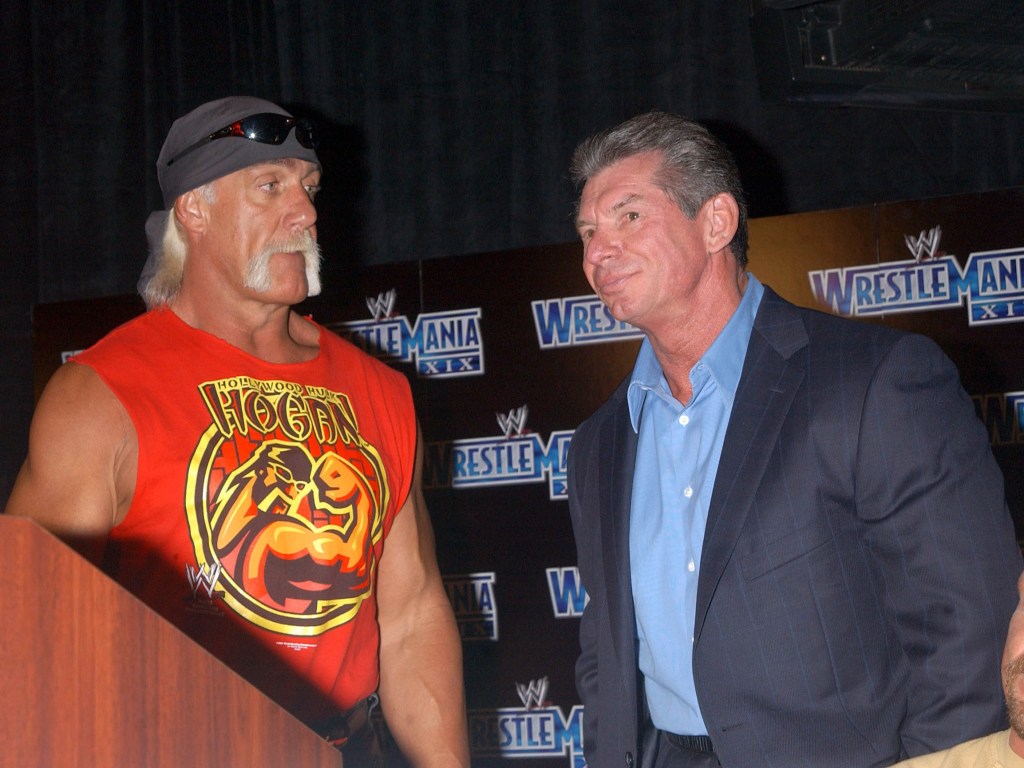
When looking back on what happened in 2015 after the controversial racial slurs came to light, Levesque, then WWE’s Executive Vice President of Talent, declares, “I didn’t fire Hulk Hogan. I fired Terry Bollea.” Trying to spot the difference should serve as an engaging exercise when watching Hulk Hogan: Real American.
Hulk Hogan: Real American is currently streaming on Netflix.

