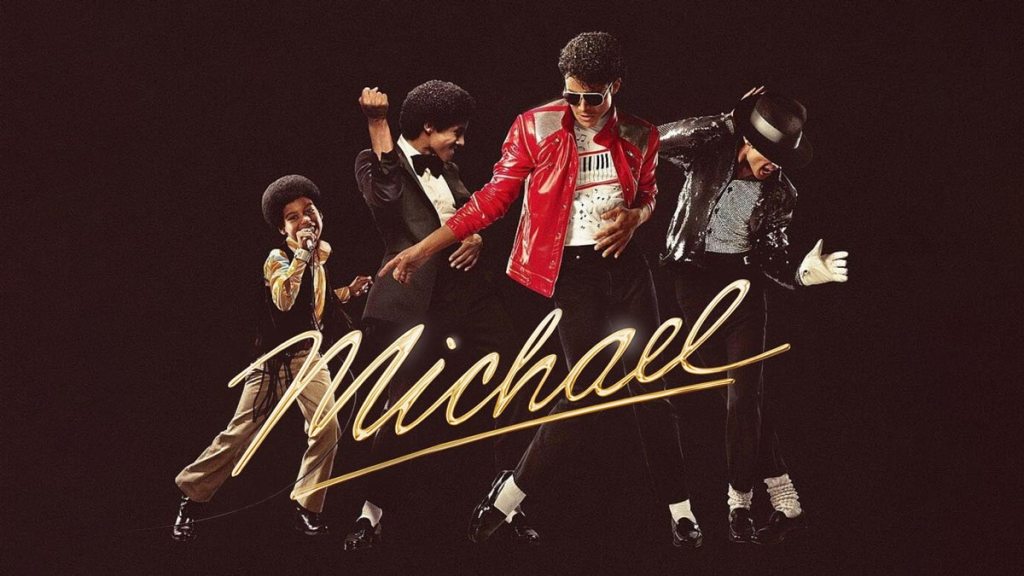
Michael
2 out of 5 stars
By J.C. Correa
With “Wanna Be Startin’ Somethin’” setting the mood before the whole thing even begins, the singular purpose of Michael seems to be to celebrate and glorify the immeasurable (early) artistic accomplishments of the self-proclaimed “King of Pop.” Ironically, that actual title is never once mentioned in a film that intentionally does not get that far into the singer’s professional life, and substantially less so in his personal one. So, for the sake of addressing room elephants, it is accurate to say that the delicate subject of children does indeed play a part in this overly hyped biopic. Meaning that, on more than one occasion, we are privy to scenes of the superstar visiting with sick kids of all ilk at hospitals and the like and verbally declaring his desire to commit his considerable resources to help improve their lives. But that is essentially where that topic ends, which should make clear the raison d’être behind the movie.
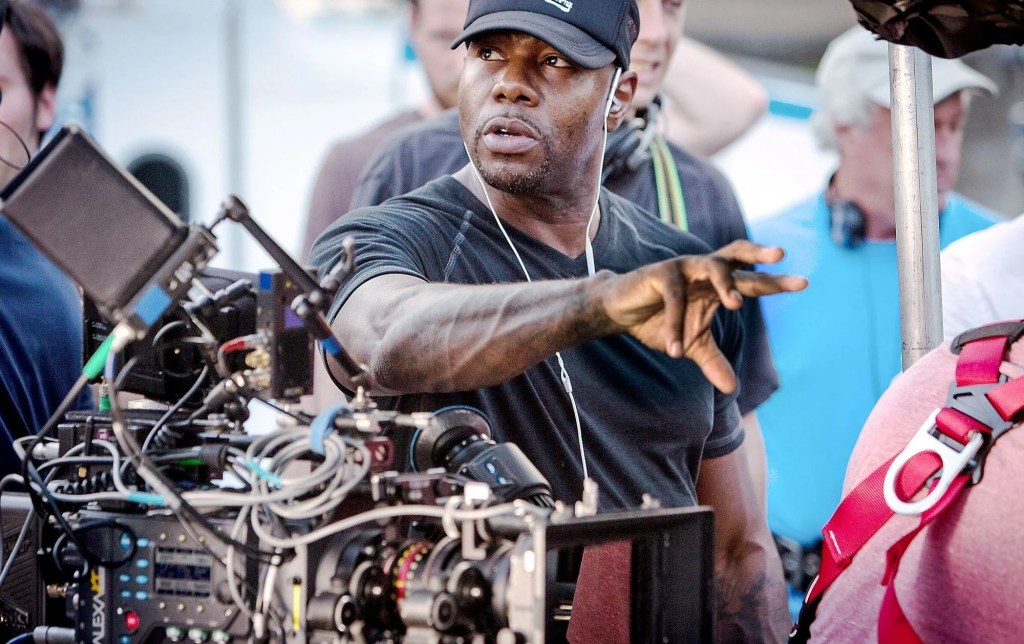
None of which is to say that Michael is not without its merits, or that it won’t be perceived as enjoyable by at least some portion of the moviegoing public. The bottom line is that making a film about a figure as enormously popular and equally controversial as Michael Jackson is a grinding task no matter how you approach it. And director Antoine Fuqua (Training Day), working off a script by John Logan (Gladiator, Skyfall), goes all in on selling the movie simply on the spectacle of seeing Jaafar Jackson, Michael’s real-life nephew, astoundingly transform into his legendary uncle. In some ways, it’s hard to blame him, as the young Jackson (himself a singer but making his film debut here) goes to great lengths to uncannily embody Michael in voice, movement, and spirit. It’s a laudable achievement, in which the makeup department also plays its part.
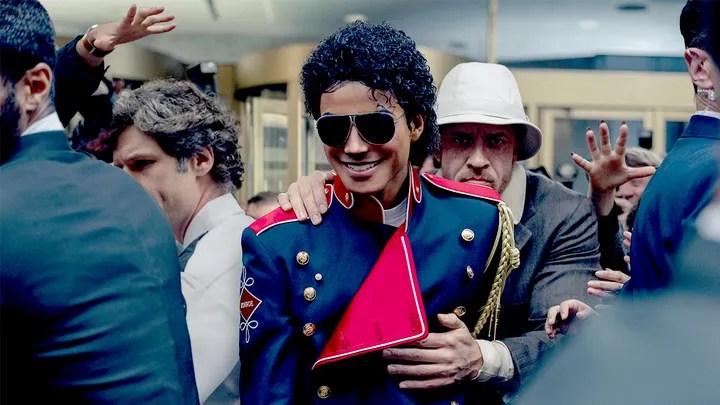
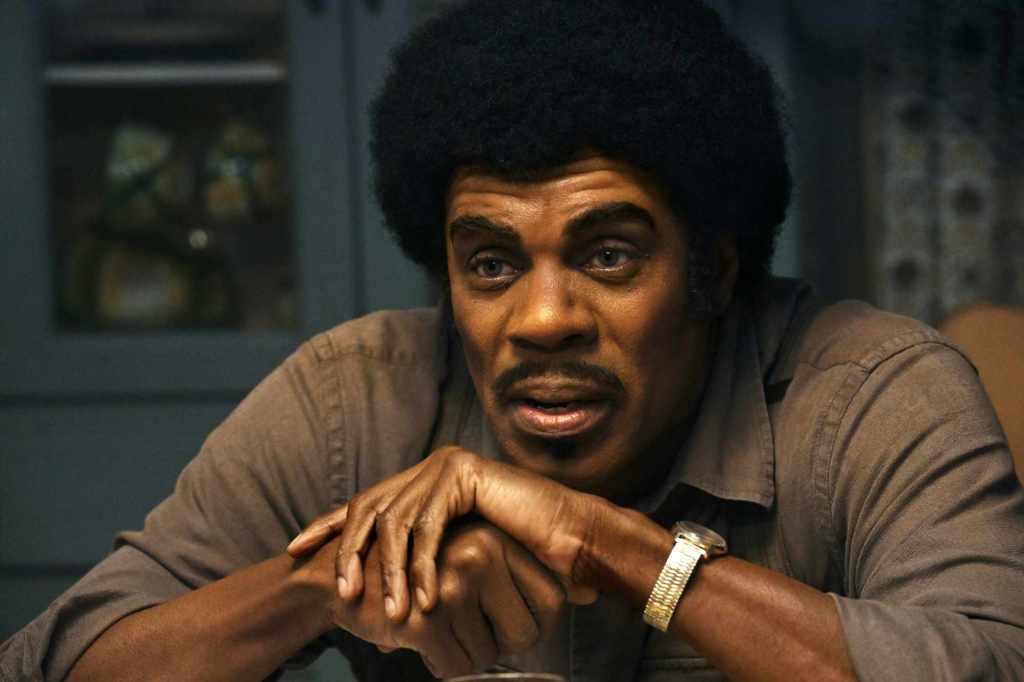
It is no secret by now that the Jackson Estate was directly responsible for the creation of this production, which fully explains why it was brought to life with (sequined) gloves on. In life, MJ was a person who not only understood great drama and turned it into both art and money, but his very existence seems to have been enshrouded in it from beginning to end. In the picture, the only source of this drama given center stage is his contentious relationship with his abusive father Joseph (Colman Domingo), the greedy and maniacal patriarch of the Jackson family. One could argue that that dynamic was, for better and for worse, the most important in Michael’s life, and the film at least treats it as such.
But the story of MJ, like that of any icon, is one filled with a lot of key players, and some of the major ones play a minuscule role in the narrative, if any at all. Despite much having been made of Michael’s friendship with and deep personal trust of Diana Ross, there is no mention of her here whatsoever. His greatest asset, at least professionally, was indisputably Quincy Jones, the man directly responsible for sending Michael into the pop culture stratosphere by producing the chart-topping trifecta of Off the Wall, Thriller, and Bad. Incomprehensibly though, Jones (Kendrick Sampson) is relegated to just two scenes in which he is nothing more than a background character. At least Berry Gordy (Larenz Tate), the benevolent Motown empresario who not only gave the Jackson 5 their big break, but also clearly recognized young Michael’s singular talent, is awarded a little more prominence.
And yet, none of the above feature as much as Bill Bray (KeiLyn Durrel Jones), the bodyguard and chauffeur who, it is implied, Michael may have considered to be his only human friend. That point is in large part due to the movie making no bones about the fact that from an early age Michael surrounded himself with animals of all kinds (rats, snakes, giraffes, llamas) who he refused to think of as pets. None of them come to play as great a role as Bubbles, the chimpanzee who Michael rescued and basically turned into his Mini-Me. And though the VFX team ensures to make Bubbles as adorable as possible, the fact that a CGI chimp gets substantially more screen time than Quincy Jones in a biopic about Jackson is bound to leave any serious fan of MJ feeling perplexed and rightfully cheated.
Besides Jaafar, the movie’s greatest coup is unquestionably Domingo. Almost unrecognizable under appropriate makeup, the two-time Academy Award-nominated actor plays Joe Jackson like a sleazy, prowling troll that easily ends up being the film’s best character. The movie doesn’t hold back on depicting the vicious corporal punishment that the elder Jackson bestowed upon a precocious Michael (a well-chosen Juliano Valdi) and even stages a scene between Joseph and Don King just to overstate the point.
Aside from a bizarre but welcome cameo from Mike Myers (a recurring specialty of the eccentric actor) as CBS head honcho Walter Yetnikoff, the movie spends some time introducing John Branca, Michael’s eventual personal attorney, as a genuine ally. He is portrayed here by Miles Teller in full simpatico mode; a point that shouldn’t surprise anyone being that, as the longtime co-executor of the Jackson Estate, he is also one of the film’s producers. And it probably fell on him to ensure that Fuqua made a movie more obsessed with shooting MJ repeatedly descending down staircases through only closeups of his famed white socks and penny loafers than exploring the true breadth of his complicated legacy.
The infamous Pepsi commercial shoot in which Michael suffered serious burns to his scalp from a pyrotechnics mishap (which in turn caused his eventual life-long dependence on painkillers and anesthetics, something that is actually hinted at here) is staged in harrowing detail. Elsewhere are sequences from several of his iconic music videos, as well as performances from the famed Motown 25 television special in 1983, Dodger Stadium in 1984, and Wembley Stadium in 1988. These are all painstakingly recreated, and while they make clear that Jaafar carefully studied every detail of his uncle’s unique gift, at one point you inevitably begin to question what the point of it all truly is. Since they teach us absolutely nothing about the man, wouldn’t we just be better off opting to go on YouTube to watch the real thing instead? Being that the entire planet has long been fully aware of his talent, it seems to me that the film would do a greater service by exploring how that all gradually developed beyond the years of childhood, as opposed to jumping from 1970 to 1978 without a single care for the cruciality of adolescence.
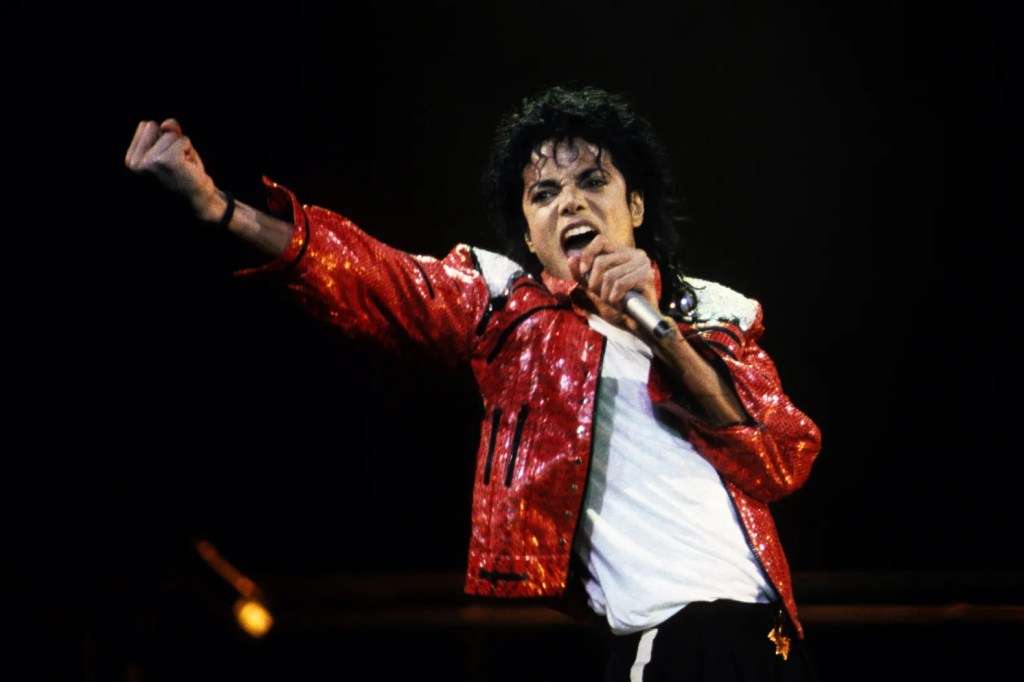
The picture’s most divisive element is probably its decision to, via a text fitting for films about superheroes, conclude the tale at that aforementioned Wembley show, thus eschewing a substantial amount of Michael’s distinguished career achievements which would chronologically soon follow. And because of this blatant omission of both the complete artistic legacy, and even more so of the sizable personal controversies, I will cheerfully reference a great superhero flick by declaring that Michael may be the biopic that some of his fans want, but I doubt it’s the one that most need, and it’s most certainly not the one the world deserves.
Michael is currently playing in theaters.

