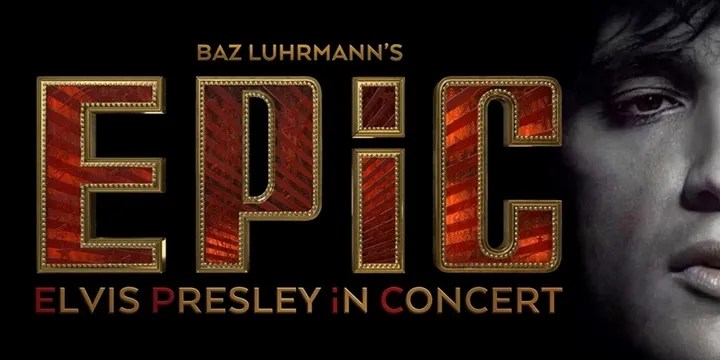
EPiC: Elvis Presley in Concert
4.5 out of 5 stars
By J.C. Correa
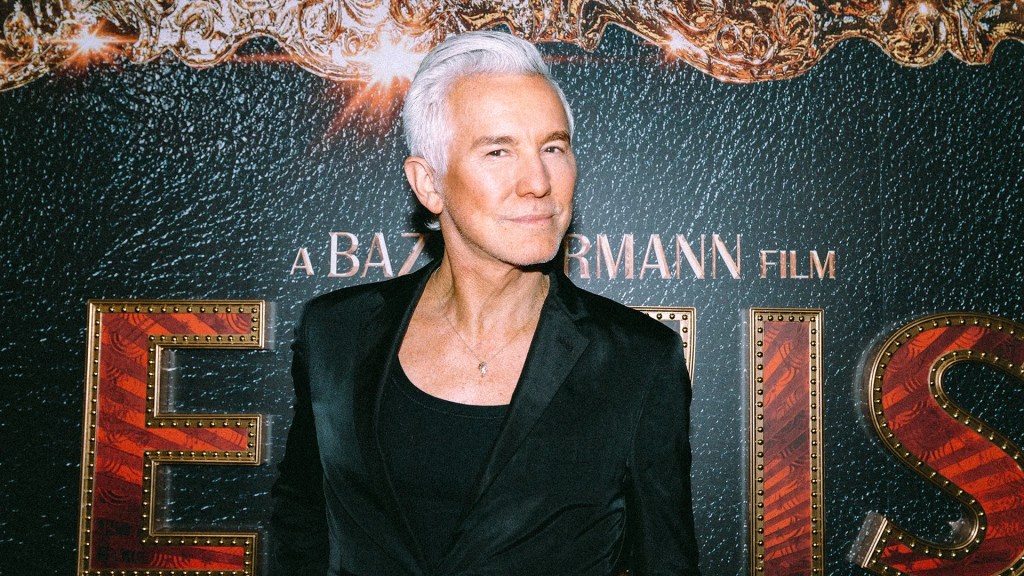
Part concert film, part documentary, but absolutely all Elvis in as spectacular a fashion as possible, EPiC: Elvis Presley in Concert more than lives up to its title and offers arguably the definitive statement on the incomparable grandeur of the King of Rock and Roll. For director Baz Luhrmann, this seems like the culmination of a journey that started not just four years ago when he made the Austin Butler-starring Elvis biopic, but of the entirety of his, for lack of a better term, very colorful career. Despite its passion-project bona fides, however, that 2022 movie feels like a dress rehearsal when compared to the sheer power of this new release.
Across 90 minutes, EPiC chronicles Presley’s permanent return to the stage after the success of his famed ’68 Comeback Special. In fact, in some ways, EPiC plays better as a companion piece to Jason Hehir’s engaging 2024 documentary Return of the King: the Fall and Rise of Elvis Presley – which centers on the events leading up to that aforementioned presentation – than it does to Luhrmann’s biographical drama. Part of the reason for this is that EPiC does not mention that iconic 1968 performance at any point, choosing instead to set its focus on the career resurgence and rewards that were had because of it.
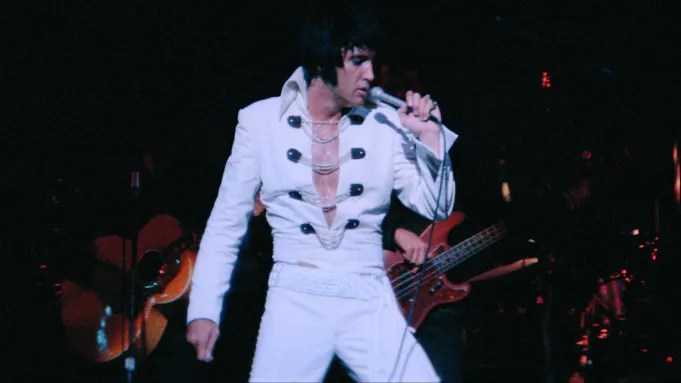
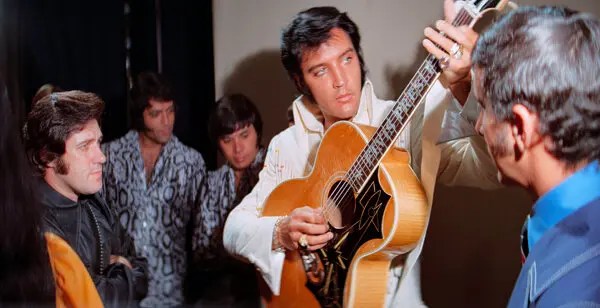
Period interviews of Elvis, mostly from the 1970s, are interspersed between footage of him rehearsing with his sizable band, as well as performing on stage during his legendary seven-year Las Vegas residency at the International Hotel, and on stages in other cities. Sin City residencies are a dime a dozen nowadays, especially for rock and pop artists. But part of the charm of watching this is the chance to witness occurrences that, in one form or other, ended up setting the template for these things that, at least in Presley’s genre, so many have since gone on to turn into the norm by following in his footsteps.
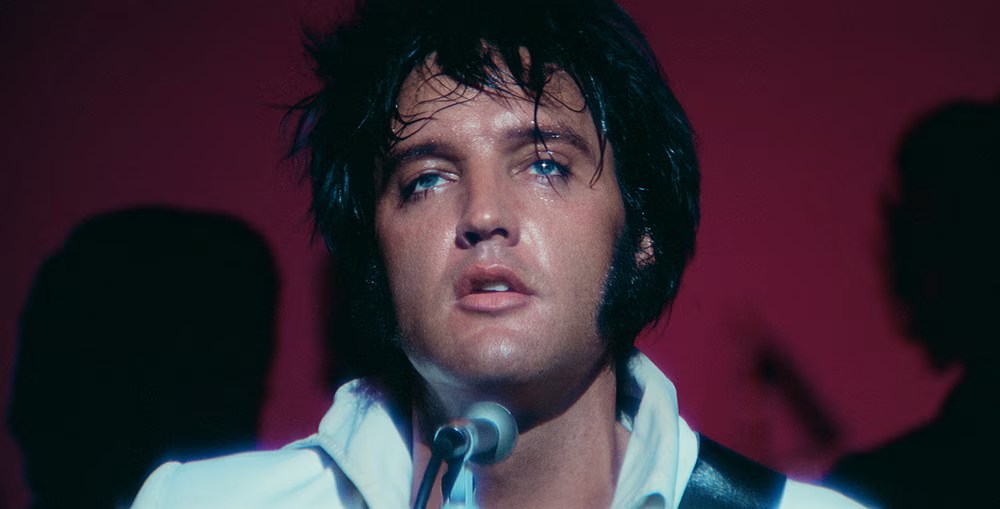
Perhaps the absolute highlight, for film buffs as well as music historians, will be the opportunity to take in the miraculous and detailed restoration of hours upon hours of performance and rehearsal footage that Luhrmann personally unearthed and painstakingly went to work on. The vibrancy and quality are off the charts, with colors popping in such a vivid and lurid way that does complete justice to Presley’s larger-than-life persona, while also fitting right at home with the director’s brand of visual art. In this particular case, it truly is a match made in heaven where both artist and product are better off for it.
Of equal importance is the scavenger hunt involved in finding and synching the sound tied to these performances. Not only has this been accomplished in the most precise manner, but hearing it all blast from the speakers of an IMAX theater (where the film is currently playing as part of a one-week engagement before landing on regular screens next week) should be equivalent to total nirvana for fans of Elvis, or anyone with even a mild appreciation for rock and roll and its history.
A montage of his unfulfilling Hollywood career throughout the 1960s sets up the narrative, before depositing Elvis exactly where he was always meant to be: With a guitar in hand, willing musicians at the ready. It is fun and amusing to see him do run-throughs of Beatles’ tunes like “Yesterday” and “Something,” as well as perform portions of “Get Back” during one of his shows. When he enacts a version of “You’ve Lost That Lovin’ Feelin’,” he does it in such a dramatically bombastic way that makes you think that even The Righteous Brothers could have benefited from hearing it before recording their seminal take of the tune.
Classics like “In the Ghetto” and “Bridge Over Troubled Water” are given such tribally powerful performances that the primal energy they are imbued with is of a transcendent nature. They make crystal clear Presley’s ample charisma and star power, not to mention his bandleader prowess; qualities that most certainly helped to cement his title of “king.” But when we see him whip to life “Suspicious Minds,” sweat dripping from his hair and face, the movie reaches its euphoric zenith, and firmly makes the case for Elvis rightfully earning his place among the greatest performers of all time, in large part due to the incredible showmanship exhibited.
Of course, like most iconic entertainers – something that Elvis chose to identify himself as exclusively, thus refusing to comment on sociopolitical matters – Presley’s life was not without controversy. The film, for example, shows numerous incidences of willing smooches being placed upon the lips of adoring females. And little is actually recounted regarding his marriage to Priscilla Wager and fatherhood of Lisa Marie, both of whom barely make an appearance. Considering that the picture approaches its subject mainly with the intent to highlight his stage legacy, it is an understandable choice. Fortunately, one aspect of that legacy was Elvis’ sense of humor, frequently on display during many of the concert sequences, and which the movie also cleverly adopts when choosing to address the infamous presence of Colonel Tom Parker, who is also largely absent here.
As I stated previously, EPiC is currently in the midst of an exclusive one-week engagement on IMAX screens. Should you choose to seek it out (and I strongly recommend that you do), I cannot stress enough the importance of doing so in this optimal format. It will be an experience well-worth your time. And, for a brief moment at least, it just might make you feel like a king.
EPiC: Elvis Presley in Concert is currently playing in IMAX theaters and will expand to smaller screens nationwide on February 27.
 Generation X Wire