By Joe Puccio
Throughout the lengthy history of the music industry, recording artists in an assortment of different genres have opted to step away from the spotlight to get their affairs in order before eventually embracing it again, even oftentimes amid career highs. The reasons, however, often vary, from physical ailments to raising a family to mental health to basic creative rejuvenation, to name but a few. Canadian country icon Shania Twain disappeared for fifteen years due to vocal issues and Lyme disease while psychedelia pioneer Grace Slick’s focus turned to art. Folk luminary Cat Stevens converted to Islam, embraced philanthropy, and changed his name, as heavy metal kings Guns N’ Roses vanished largely because of frontman Axl Rose’s reclusiveness.
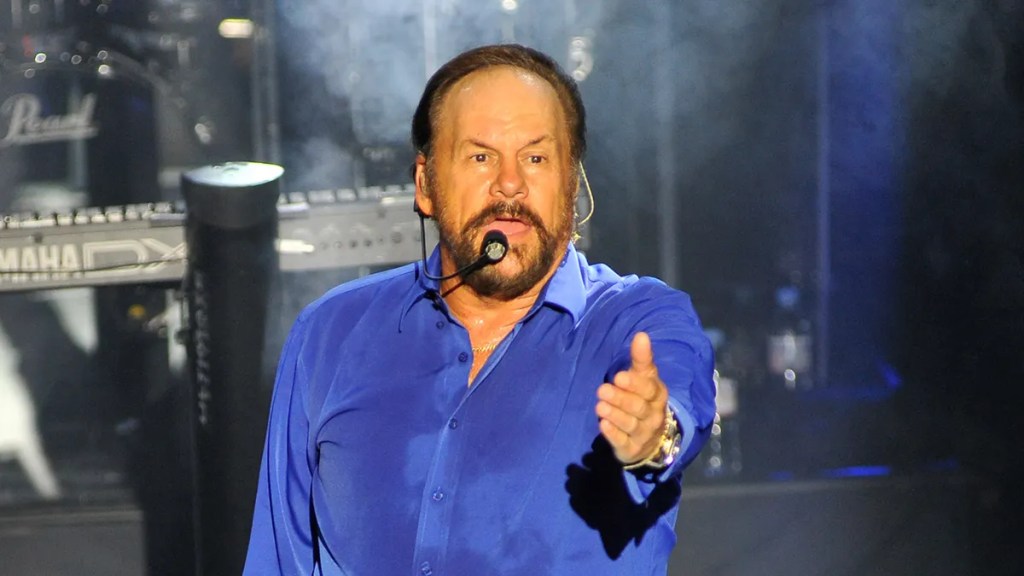
For Harry Wayne Casey, better known by his stage name KC, the cause was simple – he didn’t like who he had become. “I wouldn’t change the way things went, getting out of the business (in the mid-1980s). If I hadn’t done that and didn’t go to rehab, I don’t know if I would’ve found myself again,” Casey explained, during a recent conversation with Generation X Wire. “I was lost at that point. It really consumes you. Reality for me was doing drugs and I was doing things in my life at that time that people do in their teens. I like myself a lot better now and I was thankfully able to get through it. It took me forty years to understand who I was, to accept it, and to become comfortable with it. It was important to me.”
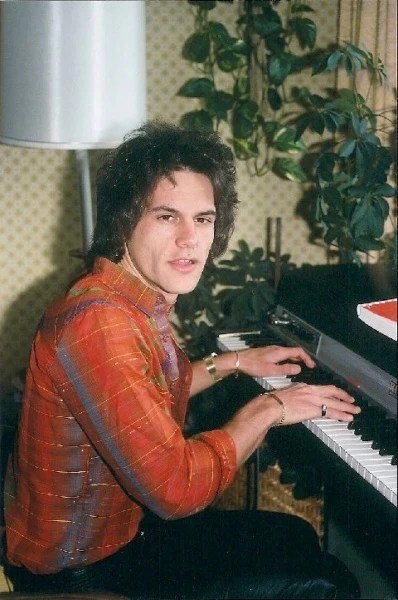
Casey formed KC and the Sunshine Band in 1973, the moniker a combination of his last name and home state of Florida. The group had five number-one singles on the Billboard Hot 100 chart in the 1970s and early 1980s, beginning with rhythm and blues classic “Get Down Tonight” and culminating with sentimental ballad “Please Don’t Go.” Although primarily considered to be a disco act, Casey doesn’t believe in the classification of their sound.
“You can’t be more disco than Madonna,” he contended, with a smile. “All that ‘80s pop music was more disco than we were. They renamed it new wave, but it was just another label.” Despite the prevailing notion that disco, the often unfairly maligned subgenre of dance music, became passe when the ‘70s ended, Casey feels it’s simply untrue and wasn’t a key factor in his temporary hiatus. “Disco never died,” he exclaimed. “The industry just got too political. I was done. I was fried. I was over it. My father died around that time as well and I decided I just couldn’t do it anymore. I needed to step away from the entire scene.”
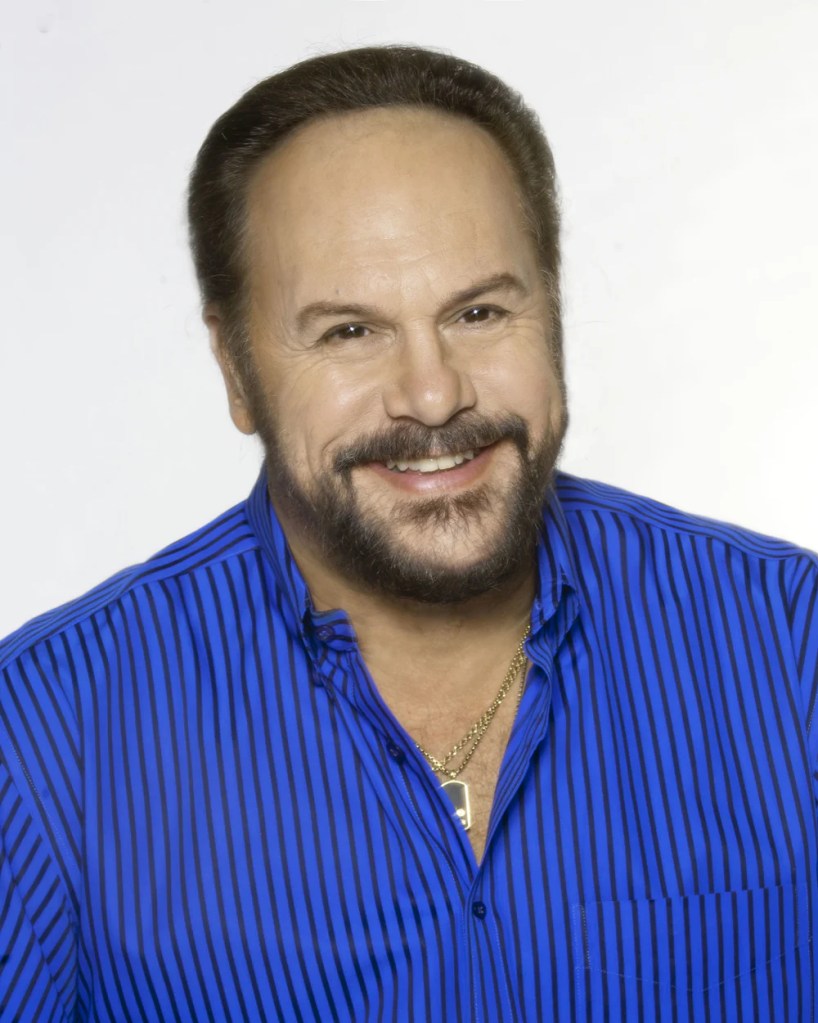
Casey’s upbringing was a strict one, raised in a Pentecostal religious household. And while show business and faith would ordinarily seem to be generally incompatible, his entire family was musically talented. “My cousins made a few records, and my mother and her sisters sang on local radio commercials. Honestly, my mother was a bit leery at first, but my father was fine with my career,” he shared, “which is interesting since my parents got divorced when I was ten years old because my mother was often out hanging around people like Ray Charles, Sam & Dave, and Aretha Franklin. I think she saw a lot of drug use, and she was probably concerned about whether I was headed in that direction.”
Surprisingly, considering their legendary status, Casey never actually intended to create a band of his own. “I’d already been writing and doing songs for others. So, I just decided to grab some of the studio musicians I knew and we originally recorded as KC & The Sunshine Junkanoo Band because the guys I used were in a group called the Miami Junkanoo Band. I felt music had gotten very dark at the time, so I wanted to make something up-tempo,” he stated. “Then I joined up with Jerome Smith and Robert Johnson, dropped ‘Junkanoo’ from the name, and we became KC and the Sunshine Band.”
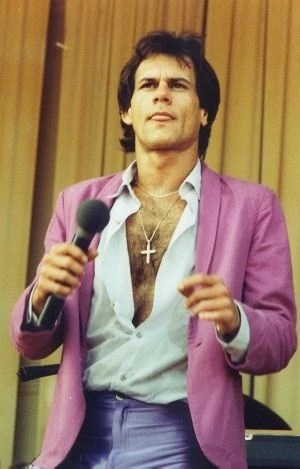
A string of hit singles, including “That’s the Way (I Like It),” “(Shake, Shake, Shake) Shake Your Booty,” and “Give It Up” elevated Casey to funk rock royalty and even resulted in a coveted spot on one of the best-selling soundtrack albums in history, Saturday Night Fever, via the infectious “Boogie Shoes.” “When the movie and soundtrack came out, I don’t think anybody knew how popular both would become,” he remarked. “Initially, they wanted “Shake Your Booty” on the record, but I suggested “Boogie Shoes.” And it really worked out well for us.”
Casey, who recently celebrated his 75th birthday, has demonstrated his resilience in several ways. Besides being a regular presence on the road, with a full slate of dates already scheduled throughout 2026, the still-energetic performer even miraculously survived and subsequently fully recovered from a serious car crash in his forties, relearning how to walk, dance, and play the keyboards. “It wasn’t easy, but I really focused on the healing aspect,” he clarified. “The show must go on, as I say.”
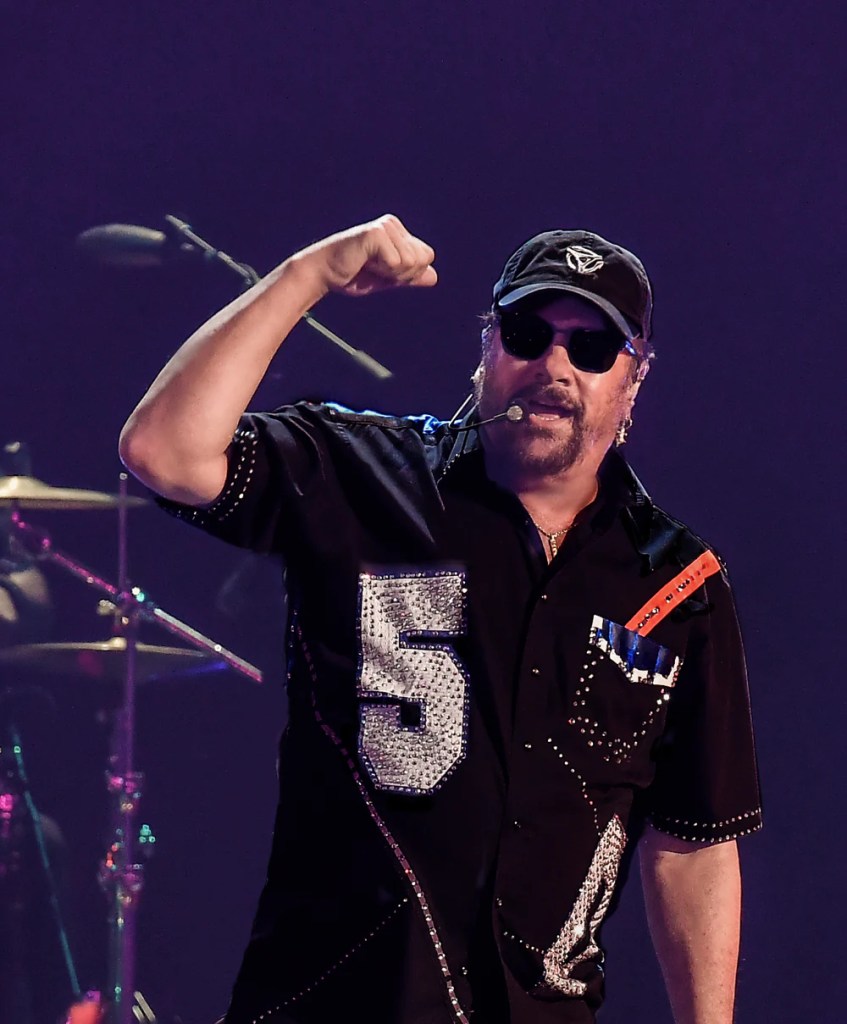
Fans of the band shouldn’t lose hope for new music either. Admittedly sparse in recent years, Casey’s last studio album was 2007’s Yummy, which was followed by two themed cover records in 2015, Feeling You! The 60’s and A Sunshine Christmas. “I’ve got fifty-six songs that I’ve recorded over the last twelve years. I think it’s some of the best stuff I’ve ever done,” he beamed. “Some of it is typical KC and the Sunshine Band and some of it isn’t. There’s a lot in the can. Hopefully it’ll come out this year.”
And as for the legacy of KC and the Sunshine Band, Casey is succinct. “I don’t dwell on it, to be honest,” he acknowledged. “But it does mean a lot to me, that’s for sure.”
Follow KC and the Sunshine Band here.
 Generation X Wire