
4 out of 5 stars
By J.C. Correa
There has been talk of Amy Madigan possibly receiving an Oscar nomination for her scene-stealing turn as Aunt Gladys in this summer’s breakaway horror hit Weapons. Were that to happen, it would be the actress’s second trip to the big dance, having originally been nominated in a supporting turn for this mostly forgotten divorce drama starring Gene Hackman, Ellen Burstyn, and Ann-Margret.
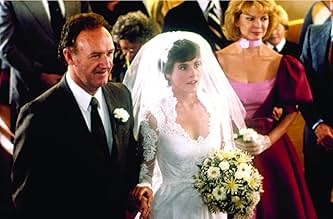
Released in 1985, the picture introduces us to Harry Mackenzie (Hackman), a disillusioned steel mill worker living in the Seattle area. His blue-collar existence is supported by the wife and two daughters he takes for granted (he has infinitely more passion for the Seattle Seahawks football team). On his 50th birthday, and in the middle of a midlife crisis, Harry meets an attractive barmaid named Audrey (Ann-Margret) who shakes him out of his doldrums. Before long, Harry will stop at nothing to pursue a life with Audrey, even if it means destroying and destabilizing his entire family.

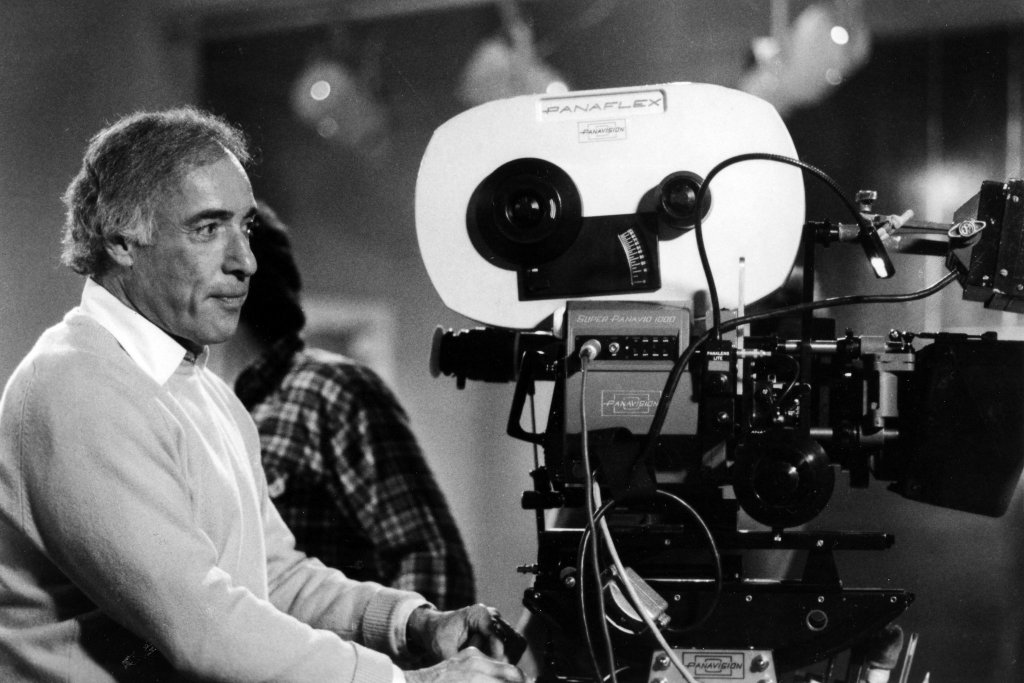
The film, which was directed by Bud Yorkin (Sanford and Son), from a script by Colin Welland (Chariots of Fire), is an unflinching, warts and all look at family life, and the emotional politics that push it along (when they don’t actually threaten to destroy it). As such, any given day at the Makenzie household is tedious, loud, lively, and claustrophobic. Harry’s birthday dinner at the home that opens the movie is a perfect microcosm of all these traits; moments where love and tenderness go hand in hand with anger and frustration. All of the performers bring a wonderful naturalness to the scene.
This is counterpointed with a sequence that follows in which Harry attends a very different kind of birthday bash at his local watering hole. Unlike in his house, where he is around the presence of his wife Kate (Burstyn), here he comes alive and is basically a court jester who shaves off 20 years from his life through the sheer joy of that fleeting existence, and Hackman plays this duality superbly. It is also here that Harry meets Audrey, and though it is sad to see how indifferent he is to a wife that truly loves him, we do understand why someone like Audrey has the capacity to rock his world.
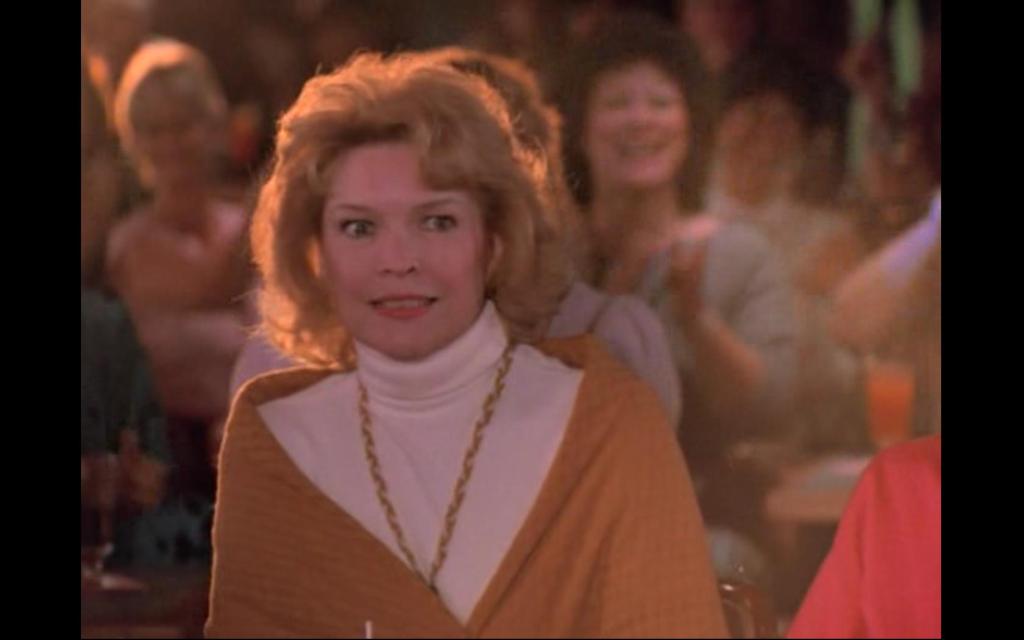
One of the film’s great achievements is that it is willing to present deeply flawed characters across the board, while being brave enough to withhold judgment on them. Harry is self-centered and completely oblivious to the pain he causes to those around him. While these traits could easily paint him out to be a jerk – and in many ways, he is – he is also a charming and spirited man, relying on these qualities to mask his small existence, while being surprisingly candid and self-aware about the boredom he feels and the uselessness of his marriage. Feisty daughter Sunny (Madigan) often puts him in his place, and the bond he shares with youngest child Helen (Ally Sheedy) opens up windows of regret. Though Hackman bestows Harry with a lot of charisma and verve, the moments that leave a searing mark are those that see him shrink from the moral victories of others, and the rare instances in which the actor shows us a glimmer of fear and shame that lies underneath. It is remarkable work, and a highlight of his storied career.
Similarly, Kate is a meek woman, constantly in denial about the fact that she is unimportant in her husband’s life, while desperately trying to justify it all. Conversely, Audrey, who is herself a widow, is strong-willed and vibrant, and unapologetic about what she wants, which includes the destruction of Harry’s marriage for the sake of her happiness. As the middle child of Harry and Kate, and wife of an unemployed man (Stephen Lang) with whom she shares a young daughter, Sunny is constantly falling apart at the seams, pulling herself in every direction, in part because she assumes the responsibility of trying to keep the lives of all of her loved ones (as well as her own) firmly on the rails, even as it all seems to inevitably veer off the track. Madigan infuses Sunny with tremendous energy and vigor, commanding the screen in virtually every scene she is in. This trait is surely what got her nominated in the first place, and though she injects much life into the movie, I do find the performance to be somewhat theatrical with a flair for the cartoonish.
Despite Hackman’s leading turn, and a strong, diverse cast all doing solid work, the most memorable effort comes from Burstyn. Be it in a scene when she finds what is likely her day’s only true joy by correctly guessing prices while watching an episode of The Price Is Right, or in the moment when Harry bluntly tells her that he is through with her, the veteran actress finds ways to break your heart by making this small woman’s pain enormously relatable. When she resorts to begging in the latter at the expense of her dignity, the humanity on display cuts deep. Later in the film, Burstyn is also terrific when she tells her two daughters flat out that she is not yet ready to move on or take control of her life. We believe Kate, and even though we are saddened by it, we never do not understand her.
Moving on, as a concept, is essential to the survival of all parties who have exited a relationship, by their own volition or otherwise. Yorkin chooses to explore this well by showing us various sequences in which both Harry and Kate aim to do just that. Whether it is seeing Harry and Audrey go shopping for watches or attend a Seahawks game, or Kate playing bingo, getting her ears pierced, or letting loose at a male strip club (Burstyn’s portrayal of embarrassed excitement in the latter is magnificent), it all happens in a natural, organic fashion. Most significantly, at no point does Yorkin give us the false hope of a reconciliation that in most other cases would very much be the Hollywood thing to do.
As a whole, the direction is economical and restrained, devoid of fancy shots and staging that may draw attention to itself. This is a wise choice, especially considering the caliber of the cast Yorkin has at hand, whom he simply lets do their job, while frequently fixing a simple camera on them and relying on long, sustained takes as they bring the nuances of a scene to life. A standout example in the picture, by any measure, is a scene at the bar in which Harry is being confronted by his pal Nick (Brian Dennehy) about his reckless behavior. Both actors go at it, but everything suddenly escalates the moment that Kate, Sunny, and her young daughter walk in, with Sunny hell bent on denouncing her father’s actions while defending her mother, and on threatening Audrey, who watches it all from behind the bar.

It is possible that Twice in a Lifetime may have been overlooked over the years because of its unwillingness to conform to the type of happy ending that most American audiences seem to prefer. But that just tells you that what was really important to the filmmakers was not to indulge in that sort of sentiment, but rather, to create a realistic portrayal of how messy and unpredictable life can be within the confines of a family. Doing it all with an A-list cast just helps to make it that much more authentic, and infinitely more timeless.
Twice in a Lifetime is available to rent on Apple TV or Fandango at Home.
 Generation X Wire