
By Joe Puccio
Rock and Roll has obviously had an abundance of both talented artists as well as pioneering record executives, separately, throughout its vast history. What’s not as common, however, is the number of individuals who excelled at both.
“I never expected to work behind the scenes. When I got the call from a friend of mine who was working for PolyGram (Records), he asked if I’d ever considered working for a record company and my immediate answer was no,” said Derek Shulman, during a recent conversation with Generation X Wire. “He told me they were restructuring their rock department, and he convinced me to fly to New York for an interview. So, I did, and I got offered a job.”
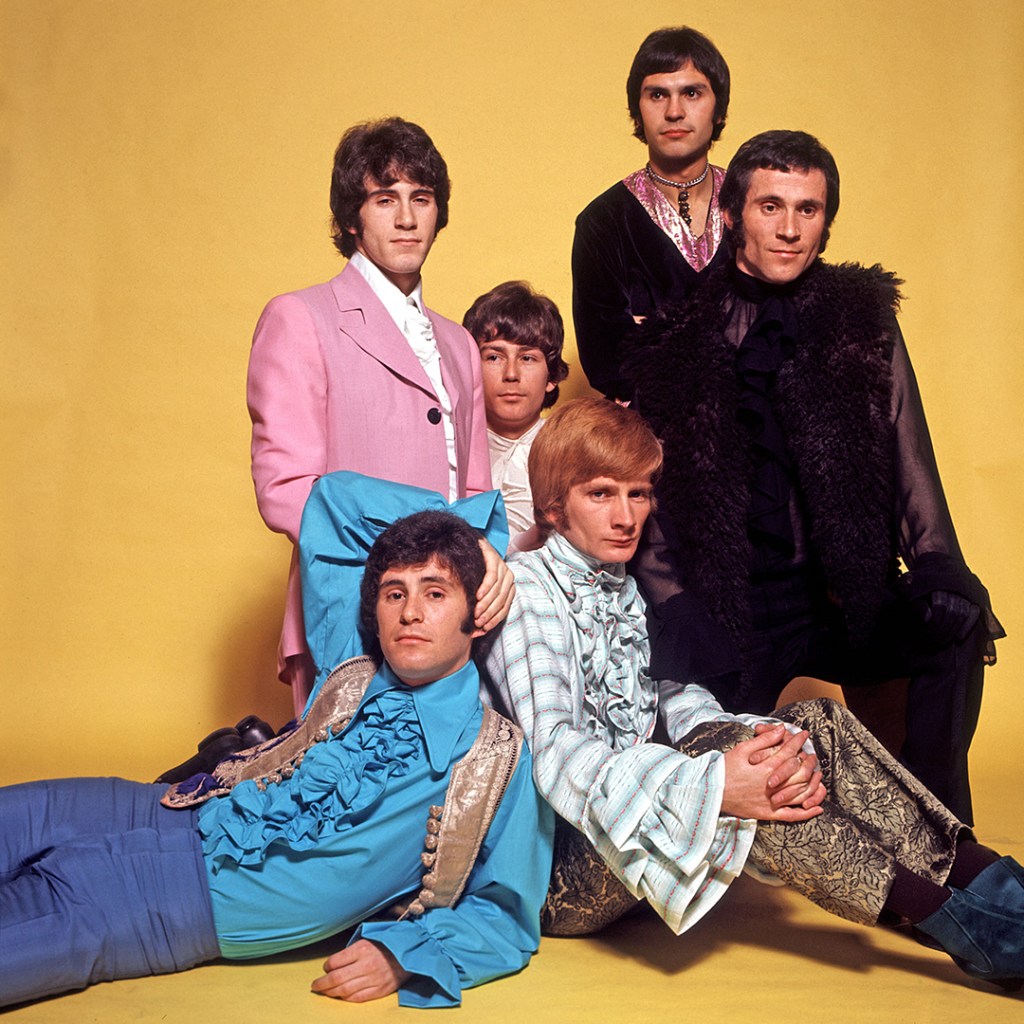
The Scottish-born singer and multi-instrumentalist began his recording career in the late 1960s as the vocalist of British pop act Simon Dupree and the Big Sound, a unit that also included brothers Phil and Ray. Despite having a top 10 hit (“Kites”), creative differences between the trio of Shulmans and the rest of the players surfaced, resulting in Derek, Phil, and Ray forming their own band, Gentle Giant, in 1970. Widely lauded for their intricate compositions and dynamic stage shows, the group, also consisting of guitarist Gary Green, keyboardist Kerry Minnear, and drummer Martin Smith (later replaced by Malcolm Mortimore and John “Pugwash” Weathers) produced a steady supply of music that rivaled even the most fruitful performers of the era, releasing no less than a dozen albums over the span of a decade.
Shulman attributes Gentle Giant’s cornucopia of creativity to their work ethic. “We were very hard workers, to be honest with you. We rehearsed, toured, and recorded a great deal. And we didn’t have distractions like people do today, with the internet or making TikTok videos,” he smiled. “Some years, we put out two full albums. When we weren’t on the road, we were rehearsing and when we weren’t rehearsing, we were recording. We put our blinkers on for our ten-year career and just went at it.”
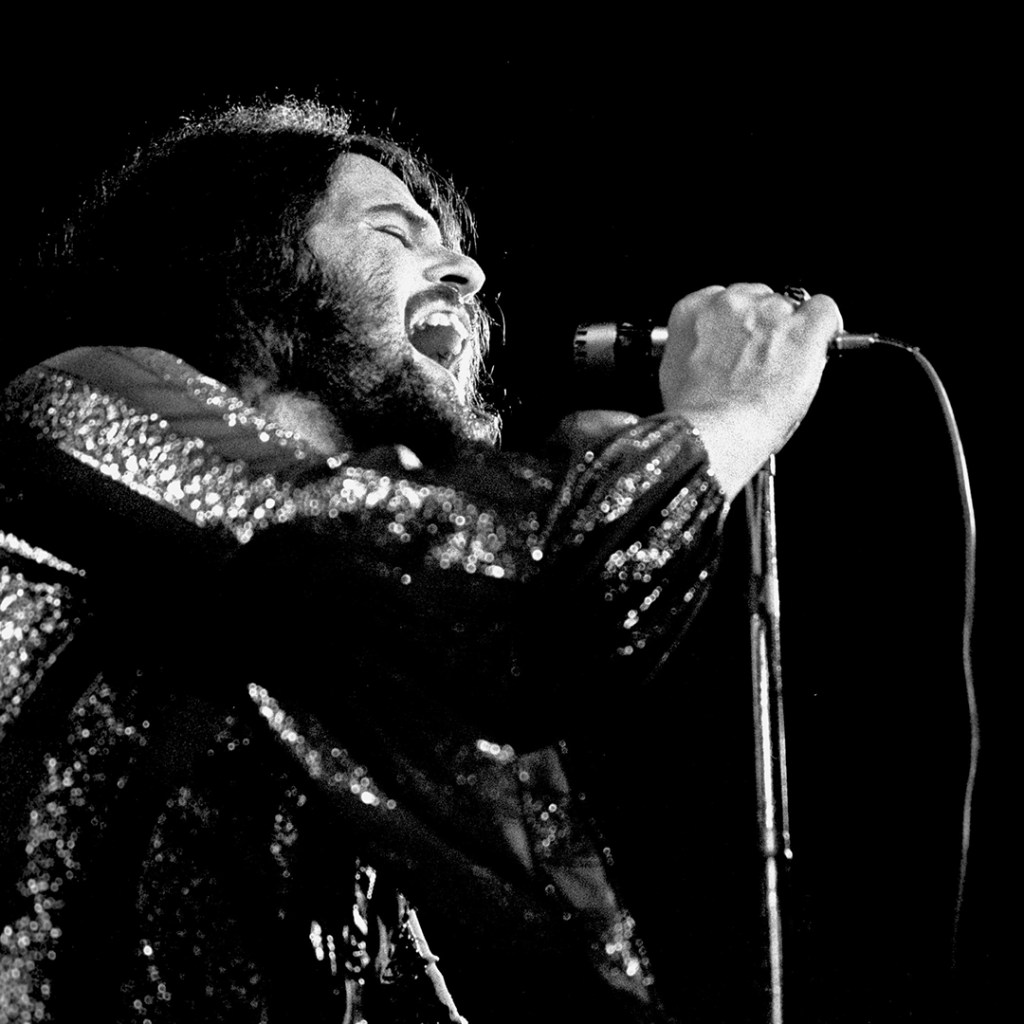
Shulman’s versatility as a musician cannot be overstated. Besides his vocal prowess as the frontman for Gentle Giant, the virtuoso plays the saxophone, recorder, bass, percussion, and even some keyboards. And while he surely spent a healthy chunk of his formative years learning the instruments, his genes certainly helped. “My father was a professional jazz trumpeter, and he was literally able to pick up any instrument and master it within ten minutes,” he marveled. “So, it really came naturally to me and my brothers. It was in my DNA. Ray was classically trained on the violin and Phil plays the trumpet. My dad even played the bagpipes.”
Although Gentle Giant’s success was inarguable, amassing a loyal following of devout fans, the band never reached the next level of superstardom that other progressive rock acts such as Yes, Genesis, and Rush managed to attain. “We headlined stadiums in Europe and Canada, so we did very well as far as touring was concerned. But we never had that one hit song on the radio that defined the band,” he explained. Interestingly, Shulman is at peace with not having a breakthrough single. “Had it happened, we might have been cajoled to be a different kind of band. When you do that, your creativity starts to move toward commercialism as opposed to who you really are. In retrospect, I’m glad because we may have become a parody of ourselves, trying to recreate our success.”
Shulman’s highly anticipated book, Giant Steps: My Improbable Journey From Stage Lights To Executive Heights, chronicles his entire trajectory, starting with his childhood in Scotland, through his prog rock heyday, to his prominence as a music mogul. Available November 14 in the United Kingdom and December 2 in North America, its in depth look at Shulman’s time spent in senior management is perhaps the publication’s strongest asset, especially the examination of the impresario’s discovery of Jon Bon Jovi.

“Jon was the first artist I signed as an A&R man. I heard “Runaway” and thought it was great,” he enthused. “He came into my office, said he was putting a band together, and told me he was doing a showcase at the Copacabana in New York City that week. I closed the door, and we had a conversation about not just music but also about life and what he wanted out of it. He looked at me in the eye and said, ‘I want to be as big or bigger than Elvis.’ He was someone who was that driven.”
With Jon, guitarist Richie Sambora, and the rest of the Bon Jovi group under Shulman’s wing, the band went on to record their self-titled debut, immediately followed by sophomore effort 7800° Fahrenheit. “First, I got Doc McGhee (manager) involved. I realized we needed someone to co-write to reach the next level and to Jon’s credit, he was smart enough to listen, and he agreed. So, I spoke with Gene Simmons (Kiss) and met Desmond Child through him,” he recalled. “Desmond, Jon, and Richie got together and wrote the demos that became Slippery When Wet. I brought the band to Vancouver to work with Bruce Fairbairn (producer) and Bob Rock (engineer) and Slippery When Wet was made, and three or four months later the album was number one, and Bon Jovi was massive, selling over twenty million records.”

Launching careers wasn’t the only specialty of Shulman, though, as reviving them became a strong suit as well. Following a commercially disappointing series of albums in the mid-1980s, Australian powerhouse rockers AC/DC were set to be dropped by their record label until Shulman stepped in. “Atlantic (Records) decided to drop them from the roster. So, I spoke with them and suggested I trade them Stevie Nicks for AC/DC and I brought them over to ATCO (Records, a division of Atlantic),” he shared. The executive’s previous gig as a working musician proved to be the added benefit he needed when Angus and Malcolm Young’s older brother (and occasional band member) George gave Shulman the seal of approval, being familiar with him from his Simon Dupree days. “Angus and Malcolm were known to be reticent about letting record executives into their inner circle. But once I got the thumbs up from them, I told them that I wanted them to make a record like they used to. They went into the studio with my go-to producer, Bruce Fairbairn, and they put out The Razors Edge, with “Thunderstruck.”

Shulman’s other notable collaborations include names such as Dream Theater, Pantera, Bad Company, and Cinderella, the latter of which he boasts a songwriting credit with. “I co-wrote “Nobody’s Fool” with Tom (Keifer), which was one of their hits on their first album,” he revealed. “It was helpful to have had shared experiences with the artists, which was something that not everyone in my position could say.”
While no one knows for certain how the careers of the many acts that Shulman worked with would have turned out had the meetings never occurred, the accomplished Renaissance man is thankful that he stuck it out. “At the end of my first day, I called my wife and told her I was going to quit, and she convinced me not to,” he acknowledged. “The music business wasn’t what I thought it was. It was the business of music. However, I was able to ingratiate myself into it and it turned out to be fantastic for me.”
Pre-Order Giant Steps: My Improbable Journey From Stage Lights To Executive Heights from Amazon
Pre-Order Giant Steps: My Improbable Journey From Stage Lights To Executive Heights from Barnes & Noble
 Generation X Wire