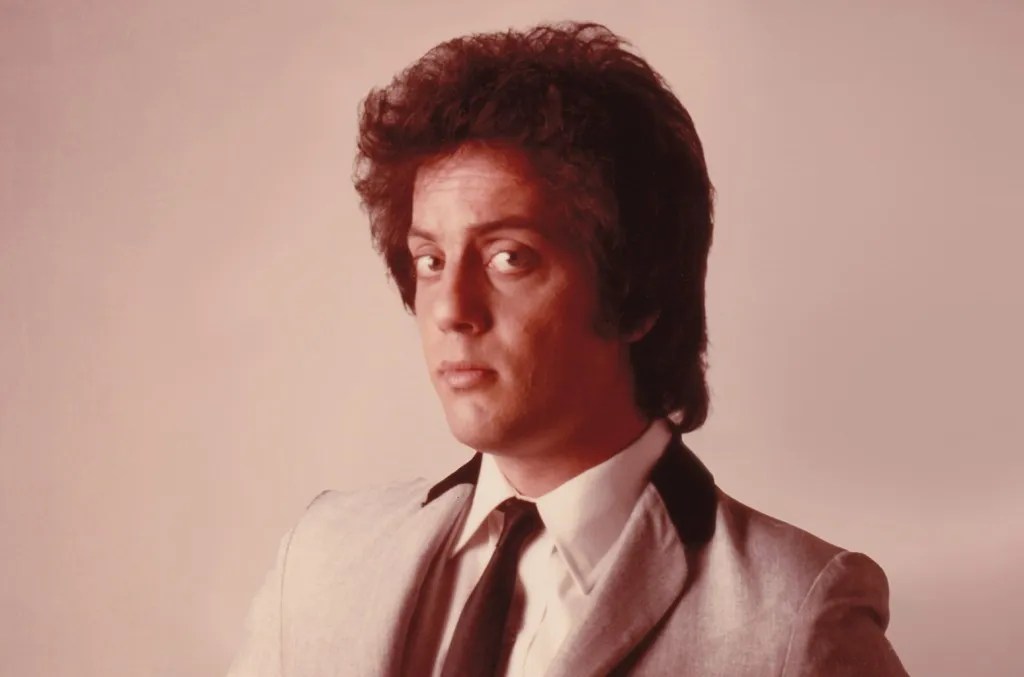
Billy Joel: And So It Goes
4 out of 5 stars
By J.C. Correa
With a strong, inventive, and always-engaging telling, Billy Joel: And So It Goes is unquestionably the definitive account of the life and career of the ever-popular piano man and musical prodigy from Long Island. But you will need four and a half hours to sift through all the lurid details of his topsy-turvy existence.
Directed and produced with reverence, empathy, and unflinching honesty by Susan Lacy and Jessica Levin, this extensive, two-part documentary (which recently premiered at the Tribeca Film Festival and is now streaming on HBO Max) checks off the requisite boxes for this kind of fare through the inclusion of soundbites from many relevant luminaries contemporary to Joel, and by showcasing a treasure trove of period footage and photographs of the artist from both his personal life and decades-long career. But its real strength lies in how all of this is assembled and brought forth, often opting for a narrative that relies on thematic relevance as much as on chronology.
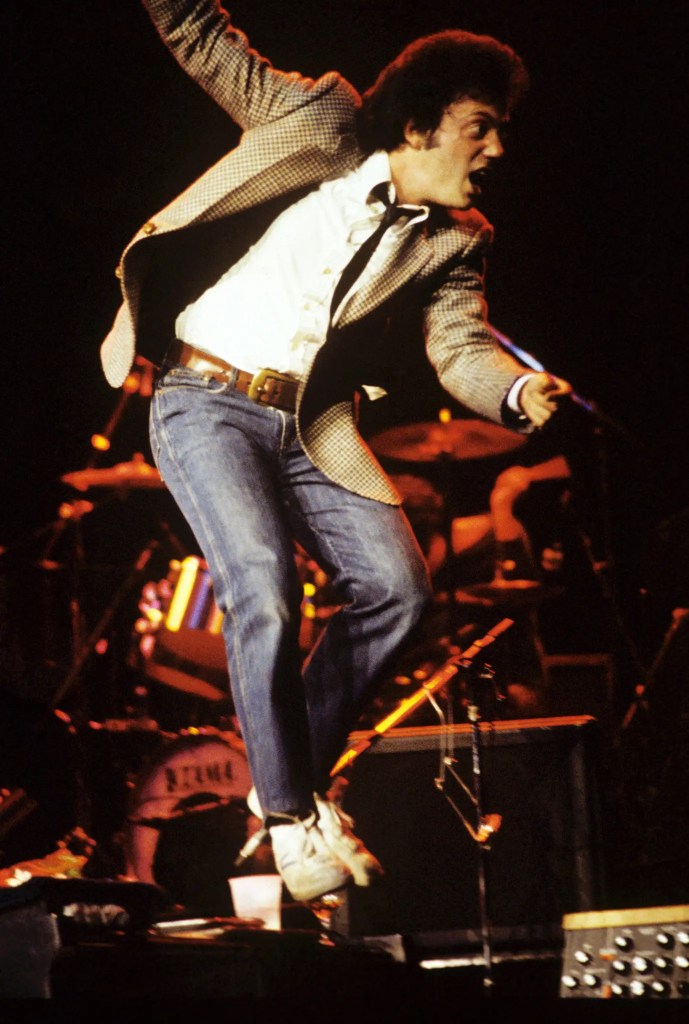
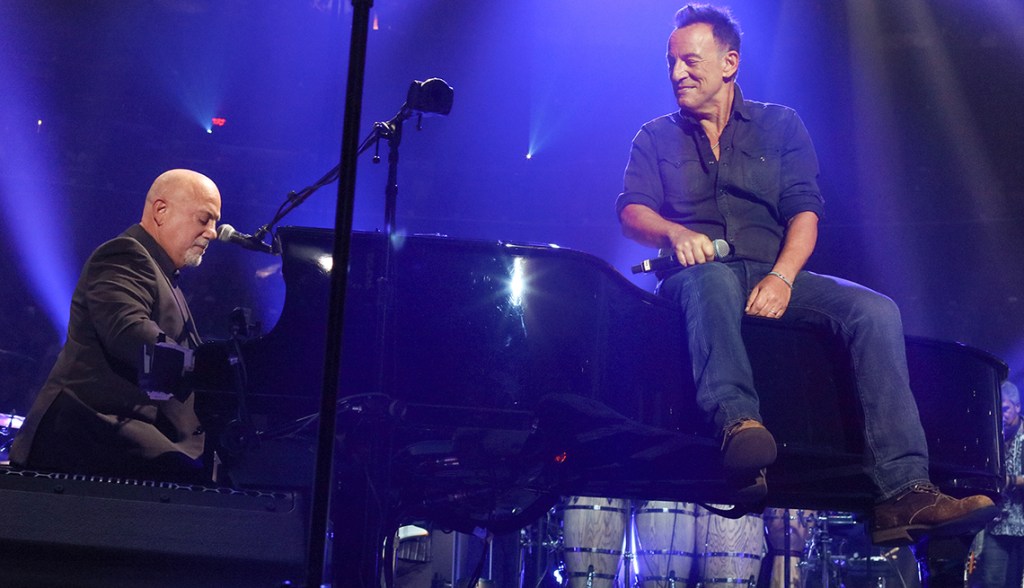
Understandably, much is made of Joel’s connection to and identity as a Long Islander, as well as in a broader New York sense. His affinity for non-rock ’n’ roll influences like Broadway and the Tin Pan Alley aesthetic is something that Bruce Springsteen, a personal pal and fellow icon, goes on to highlight as essential to Joel’s ability in crafting wonderful melodies that stand alone amongst his peers, himself included. An hour or so into the film, after covering a chapter in which he tries to make it in California in the early 1970s – the product of which was the signature “Piano Man” – Joel willingly returns to New York State, and the happiness of that experience is what inspires him to write the now-classic “New York State of Mind.” The movie takes advantage of that significant milestone by then going back in time to examine his origins as a Bronx-born Jewish kid raised in Hicksville, Long Island. It is a powerful way of telling this story, and the effect is wonderful.
In fact, that same richness is duplicated much later when, after admitting that he specifically chose to never be a political artist, he justifies the one exception that saw him wear a yellow Star of David onstage as a protest of the 2017 white supremacist terror attack in Charlottesville, Virginia, while also denouncing then President Donald Trump’s handling of the incident. The filmmakers use this impetus to then seamlessly dovetail into a thorough examination of the Joel family roots in Germany, and of the persecution that they experienced during the Nazi regime. Confidently staying on this personal tone, the narrative then chooses to highlight Joel’s lifelong need and desire to connect with a father who left him when he was still a young boy. The whole approach is inspired and tastefully done and is just one of the many traits that elevate this work above many other music documentaries.
Beyond his sizable gifts, Joel’s journey has always been mired by an unfortunate reputation as a heavy drinker whose penchant for the bottle proved to be the biggest catalyst towards the demise of several marriages, while serving as personal and professional roadblocks. The singer-songwriter speaks about this with admirable candor, and many of the other participants don’t hold back on it either. In fact, one can argue that his story’s most predominant theme (as well as the movie’s) is that of a brilliant man who, despite his enormous success and fame, never could escape his accepted self-perception as a perpetual outsider, rebel, and lifelong underdog; a tragic figure on the grandest stage. Though sad and very stirring, the film never asks us to feel bad for him, partly because Joel is the first to admit that his eventual fate is primarily the result of his own actions and decisions; ones that, tellingly, he stands by and accepts as essential components in the larger arc of his life.
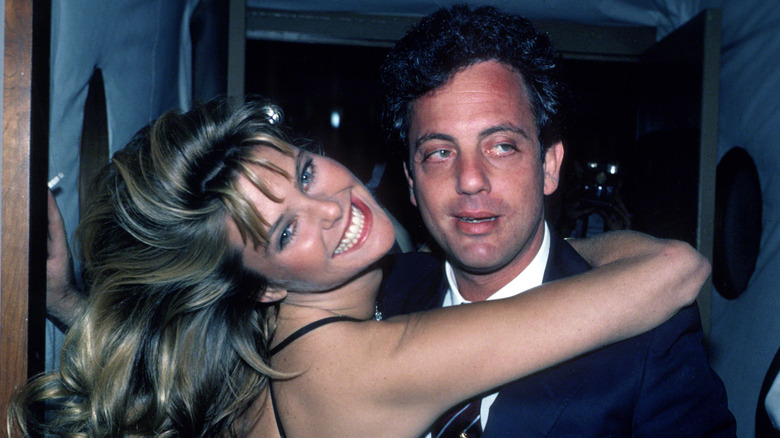
Of all those involved, of greatest significance is perhaps the participation of Elizabeth Weber, Joel’s first wife and longtime manager who was also one of his earliest muses. The fact that she has long left the spotlight and intentionally disassociated herself from her former husband for several decades now makes her sizable inclusion here one of the most vital and treasured pieces of this intricate puzzle. Christie Brinkley, the one-time supermodel who was married to Joel for almost ten years in the mid ‘80s and early ’90s – and who also birthed his first child, Alexa – also speaks with frank honesty and offers invaluable details about their life together, as well as his many internal highs and lows.
Partly because of its unusual nature, audiences may appreciate hearing renowned Israeli-American violinist Itzhak Perlman and classical pianist Richard Hyung-ki Joo sing the praises of Joel by highlighting the uniqueness of his particular gift and how it is rooted in a keen understanding of classical music. Elsewhere, an illustrious group that includes Don Henley, Jackson Browne, Garth Brooks, Pink, Clive Davis, Nas, John Mellencamp, as well as the aforementioned Springsteen, and none other than Paul McCartney, all speak with blunt praise, insight, and discernment, as well as the occasional criticism of this beloved man they admire and identify with.
While I expect the vast expanse of Lacy and Levin’s doc to be a sure slam dunk with fans of Joel – particularly die-hard ones – it is worth acknowledging that the breadth of it, while admirable and never boring, might be too much to ask for less-invested viewers who are just looking to learn more about an artist whose songs, in spite of their popularity, may not have necessarily soundtracked their lives. I count myself among these, and as such, recognize that a running time of more than three hours, even with a performer as distinguished as Joel as its subject, runs the risk of alienating more casual spectators. However, I cannot imagine a more comprehensive and thorough detailing of this entertainer’s complicated story, and, as a piece of documentary cinema, I applaud it for being a richer and more rewarding experience than recent offerings on similar topics like Music by John Williams, Beatles ’64, and Springsteen’s own Road Diary.
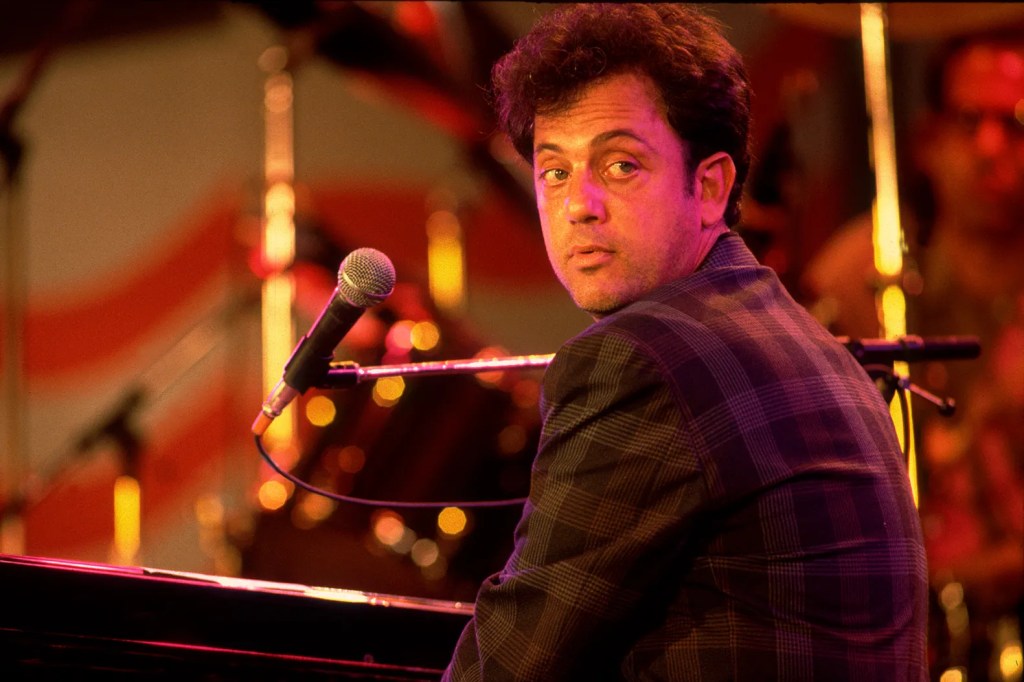
Whether it is learning about a path that almost led him to a career in heavy metal, if you can believe that, the hilarious circumstances under which he met Brinkley, or the surprisingly valid reasons behind why he has not written or recorded an original album in over thirty years, Billy Joel: And So It Goes has much to offer, and its overall effect can be enlightening, celebratory, and cautionary. At its best, which is often, it is all three at once.
Billy Joel: And So It Goes is currently streaming on HBO Max.
 Generation X Wire