
The Beach Boys
3 out of 5 stars
By J.C. Correa
With the recent death of Brian Wilson representing such a monumental loss in pop culture, and more specifically, in its history, a renewed interest in The Beach Boys can only be expected. For those seeking to satiate that appetite, they may consider giving a look to a relatively new documentary on the band that was released on Disney+ a year ago.
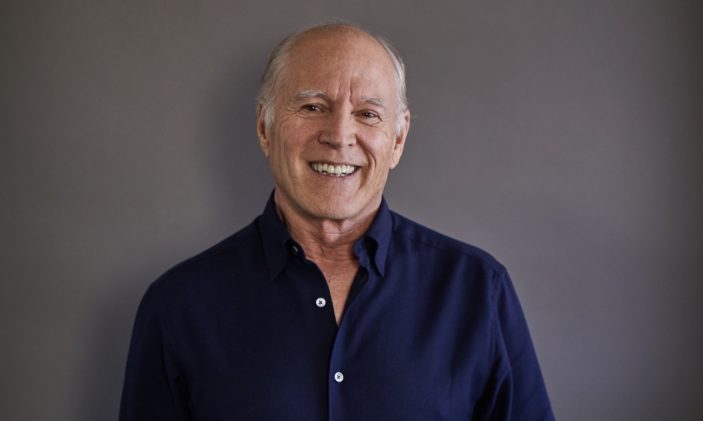
Interested parties may be enthused to know that it was directed by Frank Marshall and Thom Zimny, two filmmakers whose previous excursions into various music topics indeed give the project a high pedigree. Marshall, the powerhouse producer behind Raiders of the Lost Ark, The Sixth Sense, the Jason Bourne flicks and Jurassic World, five years ago helmed the sensational The Bee Gees: How Can You Mend a Broken Heart, giving us a rich and moving examination of the complex life and career of the superstar Australian group. For his part, Zimny’s credits in these types of subjects are even more impressive and prolific, having made, in recent years, a handful of documentaries on Bruce Springsteen alone.
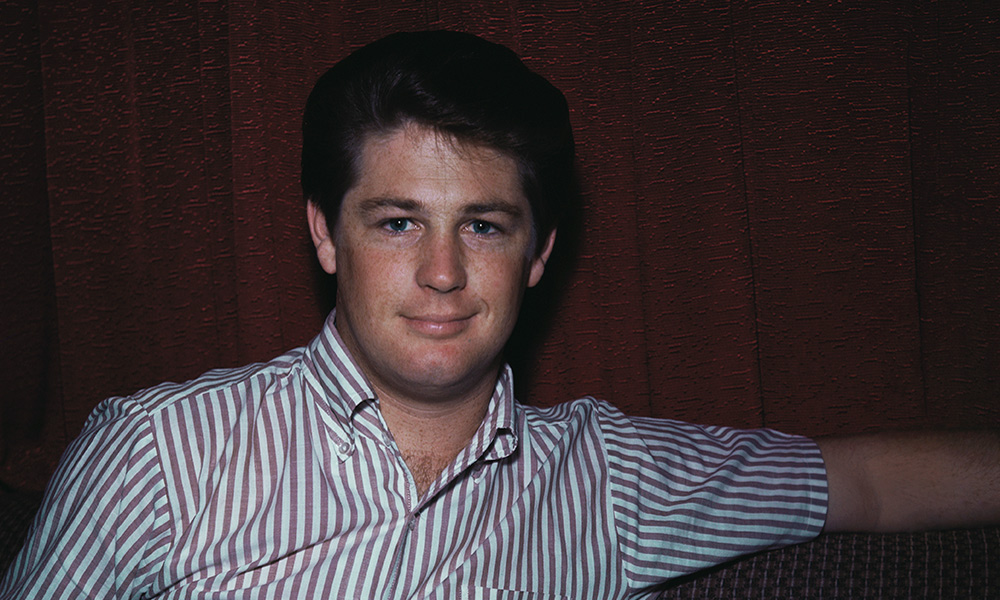
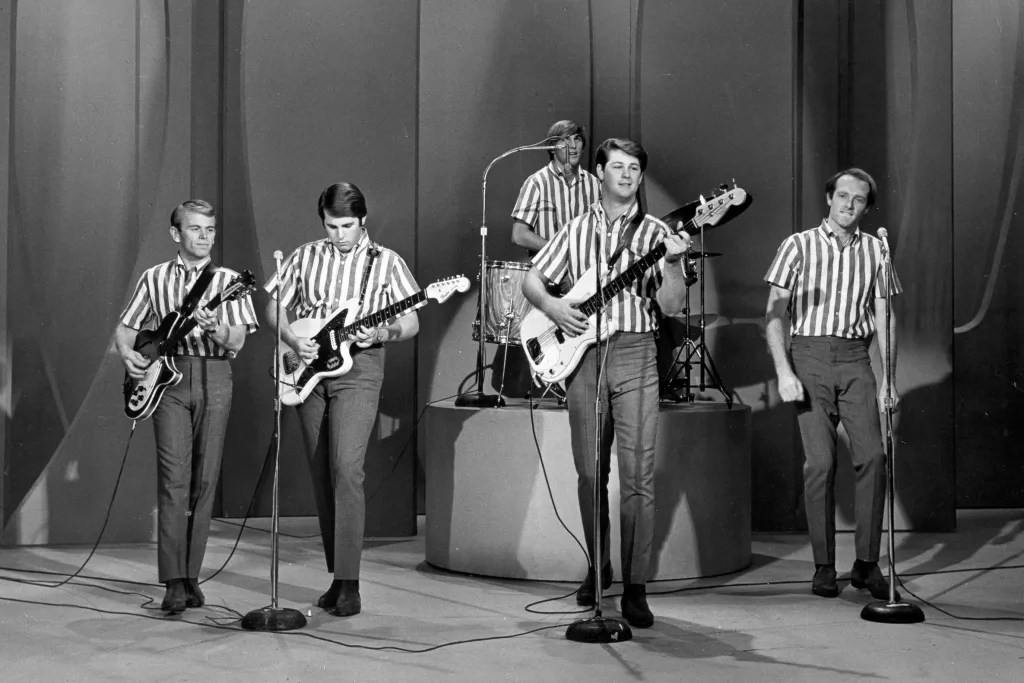
Unsurprisingly, The Beach Boys begins by tracing the group’s origins in the Hawthorne, California home of the Wilson family, where Brian was raised along with younger brothers Dennis and Carl. Inviting cousin Mike Love, a Baldwin Hills resident, to join their musical experiment allowed them to seize the rare sonic quality that family vocal harmonies can provide. But an experiment is precisely what it was initially, as the doc makes clear that Brian himself wanted to grow up to be either a psychologist or a baseball player.
After adding school friend Al Jardine to the mix, and inspired by Dennis’ personal fascination with surfing (something that the rest of the boys ironically did not share), the fledgling garage band of adolescents tapped into an identity that would not only propel them into stardom, but allow them to establish one of the most iconic brands in American pop culture history. Of course, this was only made possible by having the right tunes to back it up. Having identified Brian’s unique talent from the get-go, their creation mainly fell on him, and the whole enterprise was initially pushed forward and managed by Murry Wilson, the family patriarch.
Like all great rock ’n’ roll stories, theirs has enough drama and harrowing setbacks to match the professional highs and plethora of gold records accrued. The film cements the fact that while the band was mythologizing and marketing the California dream better than anyone before or since, it all came at a high cost as the controlling and abusive Murry was legitimately jealous of his boys’ success – particularly of Brian’s talent – sabotaging them repeatedly along the way with the same frequency with which he aided them. Brian, an insecure and susceptible genius not lacking in ambition, realized early on that he wasn’t cut out for the road, and thus pushed for being the group’s behind-the-scenes mastermind while his bandmates took his songs out into the world. As future Beach Boy Bruce Johnston says at one point, “Brian was lucky to have our voices to sing his dreams.”
Much of the story is shaped through interviews with various luminaries like Lindsey Buckingham, producer Don Was, songwriter Ryan Tedder, singer Janelle Monáe, as well as members of The Wrecking Crew (whom Brian had brought on as session musicians) such as Don Randi, Carol Kaye, and Glen Campbell. Naturally, Brian, Love, Jardine, and one-time bandmate David Marks also contribute verbal anecdotes. Dennis and Carl, who died in 1983 and 1998, respectively, feature in additional archival interviews.
Though not a secret to anyone who is remotely familiar with both groups, and with the era as a whole, enough time is devoted to exploring The Beach Boys’ inevitable rivalry with The Beatles. Marshall and Zimny make clear that the Fab Four’s sudden explosion in America in the mid-1960s was a point of resentment for the all-American California band. But the filmmakers also posit that The Beach Boys’ admiration for their English counterparts was not unfounded. “We were singers, they were players,” Jardine plainly admits. Brian himself recognizes the massive influence of The Beatles’ Rubber Soul record in late 1965, which immediately lit the spark for him to write a conceptual LP, resulting in 1966’s groundbreaking Pet Sounds. Thankfully, a fair amount of screen time is devoted to covering the creation of that seminal album.

Yet, for all its attention to detail and commitment to the most important chapters of the band’s life, The Beach Boys feels like a subjective product. For starters, it only skims through the group’s career during the 1970s, a period during which the one-time darling outfit struggled mightily to make itself relevant again. The doc concludes by acknowledging that Pet Sounds finally went gold in the year 2000 – and platinum two weeks later – yet inexplicably fails to give that bizarre occurrence an explanation. Furthermore, save for a dedication at the very end, the deaths of the two Wilson brothers are entirely ignored. Considering the distressing and profoundly sad manner of Dennis’ demise, it is understandable why all of that would be omitted in a movie aiming to celebrate the legacy of America’s greatest band. But in doing so, however, the filmmakers are inevitably stuck with an incomplete portrait, one that, in light of Brian’s passing, now more than ever would feel like a welcome necessity.
The Beach Boys is currently streaming on Disney+.
 Generation X Wire