By Joe Puccio
“He was de-venomized, but maybe I wasn’t!”
That was Randy “Macho Man” Savage’s tongue-in-cheek quip in response to hearing the unfortunate news that his concurrent rival Jake “The Snake” Roberts’ ten-foot king cobra passed away less than two weeks after sinking its half-inch fangs into Savage’s arm, drawing a notable amount of blood in the process.
While the scenario, which played out in front of Saturday morning television audiences nationwide in 1991, might have appeared to be barbaric on the surface, it was actually a preplanned stunt, or angle, agreed upon beforehand by the participants. And furthermore, it was typical behavior for the individual born Randy Mario Poffo on November 15, 1952 in Columbus, Ohio.
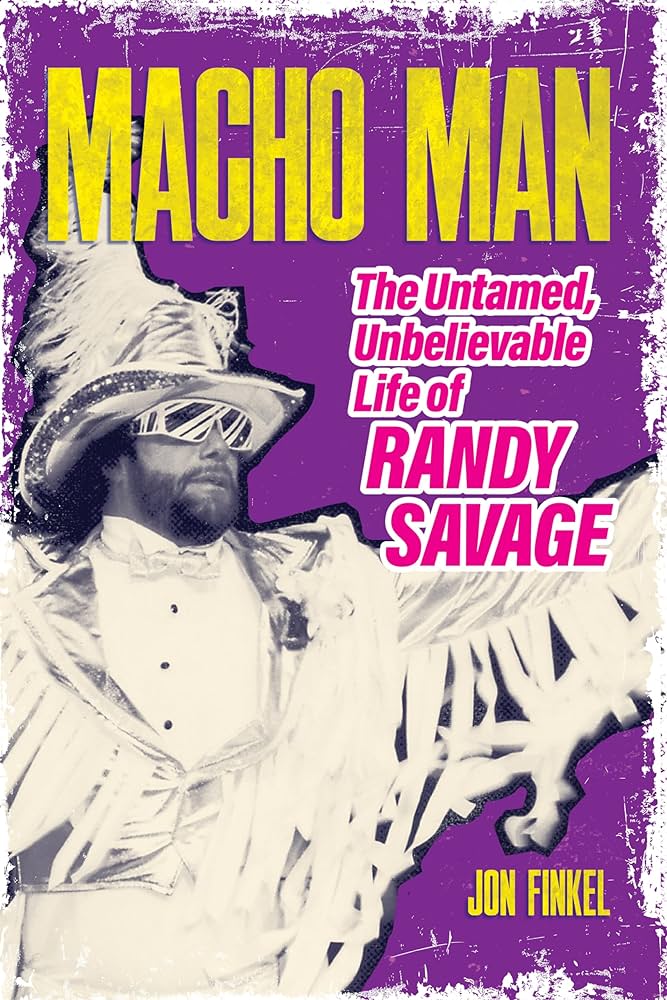
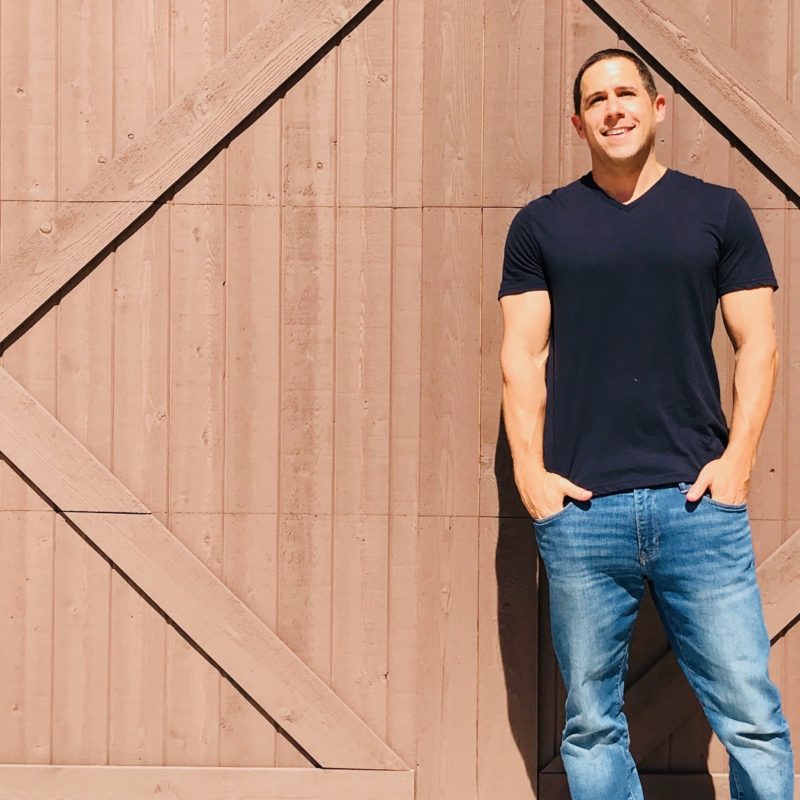
“There weren’t a lot of wrestlers on the (World Wrestling Federation, or WWF, now World Wrestling Entertainment, or WWE) roster back then who would’ve been willing to do that, especially the number two (after Hulk Hogan) guy,” Jon Finkel, the author of Macho Man: The Untamed, Unbelievable Life of Randy Savage, explained during a chat with Generation X Wire. “It was crazy but also kind of made total sense that it was Randy who did it.”
The new biography, released in April, is a comprehensive examination of Savage’s spectacular life, spanning his upbringing by Angelo Poffo, a well-known Italian American grappler in the 1950s and 1960s, and Judy Sverdin, his devoted wife, and their hurdles stemming from their Catholic and Jewish faiths, respectively, all the way through his untimely death in 2011 at the age of 58 – and everything in between.
Savage, undoubtedly one of the most popular wrestling stars of all time, was known for his unmatched charisma and iconic interview style just as much as he was revered for his technical prowess inside of the ring. And while he tailored his persona to suit him best throughout his lengthy career, the vision initially originated from an influential performer who many modern fans of the sport likely have never heard of, Pampero Firpo.
When Savage was in high school, Angelo moved his family to Hawaii for a year while the patriarch worked for Pacific Northwest Wrestling. It was during this brief yet seminal period where the seeds were planted for Savage’s eventual transformation into the Macho Man by listening to local radio ads for his father’s promotion.
“The ads would always end with Firpo saying ‘Come see the greatest wrestling on the island of Hawaii, oooh yeah!,’” Finkel noted. “Randy would repeat the latter part of the phrase over and over. Eventually, when he was back home, he saw what Firpo looked like, which was basically a caveman and as ‘savage’ as a modern man could be, with wild hair and a crazy beard, and Randy did his own version of that.” And as Savage’s legions of followers know, his “oooh yeah!” catchphrase would ultimately become synonymous with the two-time WWF World Heavyweight Champion.
Another topic thoroughly covered by Finkel, who consulted with Savage’s brother “Leaping” Lanny Poffo (also an accomplished wrestler, whose greatest success came as “The Genius”) before Poffo’s sudden passing last year, was Savage’s meticulous, almost obsessive, planning out of his matches, sometimes move for move.
“He was never going to be a ‘let’s get in the ring and wing it’ guy,” Finkel clarified. “The older guys, like George “The Animal” Steele just laughed him off. Randy came to him with four pages of notes before their match and Steele tore it up and said ‘we’ll figure it out.’ Tito Santana was closer in age to him and was open to it and Ricky “The Dragon” Steamboat was all in and a perfectionist too and understood his mindset,” he continued. “I would imagine, for some of the bigger names, it was really annoying,” Finkel laughed.
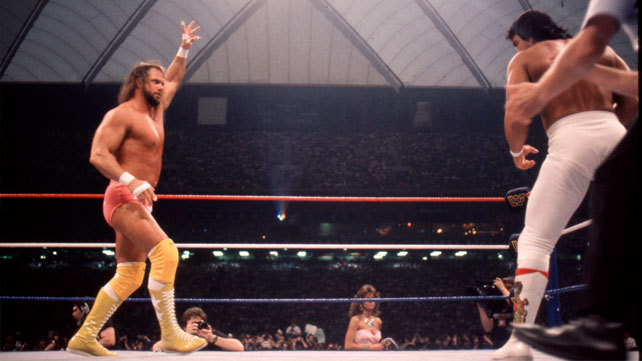
Although it never came to fruition, a one-on-one bout between himself and Shawn Michaels was an encounter that Savage dreamed about happening at WrestleMania, the Super Bowl of professional wrestling, in the mid-1990s when Savage’s career as a headliner was nearing its twilight phase. The contest would have undoubtedly been a classic but the company’s youth movement at the time put an end to any possibility for the match to occur, while also signaling the conclusion of the Macho Man’s WWF career.
“Randy had it all planned out,” Finkel stated. “It was going to be a two-year storyline where he would raise a toast to Shawn and then smash him over the head, claiming he was trying to become the new Macho Man.” The inability to convince WWF owner Vince McMahon, along with his unsolicited role as a color commentator, was the last straw and Savage signed with rival league World Championship Wrestling (WCW) in 1994.
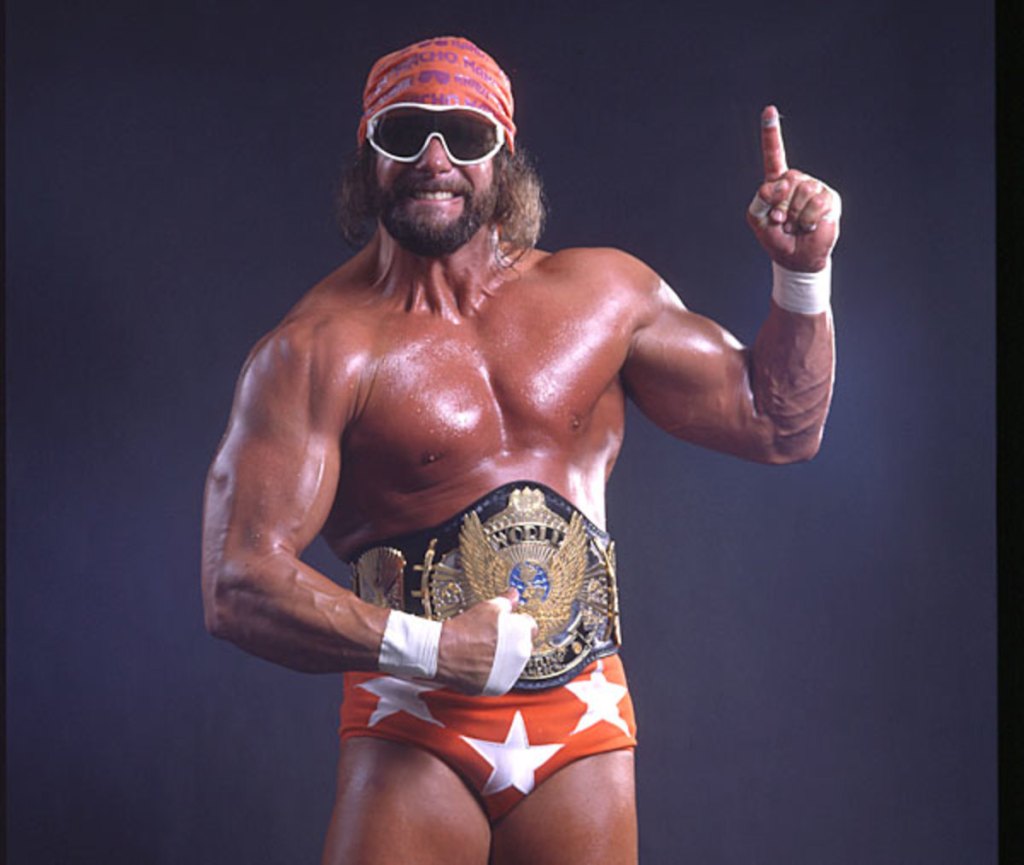
Savage’s impressive minor league baseball career, his complicated marriage to on-screen manager Elizabeth Hulette, his friendship/estrangement with Hogan, and his notable film/television roles are just a sprinkling of the exhaustive tales told in Macho Man: The Untamed, Unbelievable Life of Randy Savage.
For Finkel, the project wouldn’t exist if he didn’t have the cooperation and more importantly, the blessing, of Lanny.
“I dedicated the book to Lanny,” Finkel shared. “He understood what I wanted to accomplish and I think he would have appreciated that I wasn’t trying to be the judge and jury on the Poffo family or Randy’s legacy. I think he would’ve really enjoyed it.”
Order Macho Man: The Untamed, Unbelievable Life of Randy Savage at https://jonfinkel.com/
 Generation X Wire